


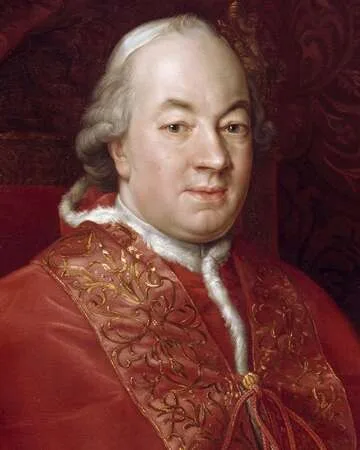
Introduction to the French Occupation of Rome
The year 1798 marked a significant turning point in the history of Italy and the Catholic Church as French forces, under the command of General Louis Alexandre Berthier, entered Rome and declared the establishment of the Roman Republic. This event was not just a military occupation but a profound crisis for the Papacy, leading to the forced removal of Pope Pius VI, who was ultimately taken prisoner. The occupation had lasting repercussions, influencing the relationship between church and state in a rapidly changing Europe.
Pope Pius VI During the French Occupation
Pope Pius VI, born Gianluigi Braschi, had served as the Bishop of Rome from 1775 until his removal in 1798. His papacy was marked by attempts to address the challenges posed by the Enlightenment and the rising tide of revolutionary ideals emanating from France. Despite his efforts to negotiate peace, Pius VI found himself on a collision course with the French Republic, which saw the Papacy as a relic of an outdated autocracy that needed to be dismantled.
General Louis Alexandre Berthier and the Invasion
As a talented military strategist and key figure in Napoleon's army, General Louis Alexandre Berthier played a crucial role in the French occupation. His swift action in capturing Rome came after the revolutionary fervor had swept through Europe, leading to the establishment of the Roman Republic. Berthier's invasion was executed with precision, and his forces quickly overwhelmed the Papal troops, forcing them to retreat.
The Aftermath of the Occupation
The occupation led to considerable upheaval and change within the city of Rome, as traditional power structures were challenged. The abolishment of the Papal States signified a critical erosion of the Papacy's temporal power, leading to a conflict that would ripple through the following decades.
The Captivity of Pope Pius VI
Following his removal, Pope Pius VI was not only ousted from his seat of power but was also exiled to several locations before ending up in Valence, France. His imprisonment marked a tragic chapter in the history of the Papacy and ended in his death on August 29, 1799, making him the first pope in over a millennium to die in captivity.
The Legacy of the French Occupation
The events during the French occupation of Rome set a precedent for later interactions between the church and secular authority. The idea of a secular state would gain momentum, leading to more clashes and negotiations between the Papacy and emerging nation-states in the 19th century. The eventual unification of Italy and the loss of the Papal States permanently altered the role of the Pope in world affairs.
Fun Fact
Pope Pius VI’s Interesting Fact
Pope Pius VI was instrumental in the construction of the Church of San Pietro in Vincoli, where the famous statue of Moses by Michelangelo resides. His architectural legacy continues to be a part of Rome's rich heritage.
Additional Resources
Recommended Reading on Pope Pius VI
For those wishing to delve deeper into this pivotal moment in history, explore The Rise of the Papacy by Francesco Nitti, or the biography Pope Pius VI: The Last Great Pontiff by Maria Anselmi.







 Continue with Google