


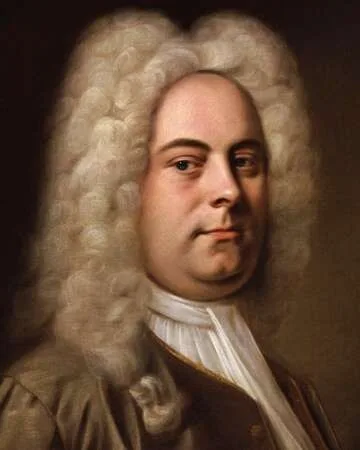
The Spectacular Premiere of Handel's Composition
On April 27, 1749, London witnessed a magnificent event that resonated with the grandeur of the British monarchy: the first performance of George Frideric Handel's "Music For The Royal Fireworks". This highly anticipated piece was composed to celebrate the end of the War of the Austrian Succession and was meant to accompany fireworks that illuminated the night sky over Green Park. From the moment the first note was played, it promised to be a sensational evening.
Handel's Vision of Celebration
Handel, a prominent composer of the time, was commissioned to create the music for this extravagant event. He envisioned a composition that would not only delight the ears of Londoners but also enhance the visual spectacle of the fireworks. The grandeur of his music matched the elaborateness of the pyrotechnic display, captivating thousands who gathered to witness this historical celebration.
The Venue: Green Park, London
Green Park provided a picturesque backdrop for this momentous occasion, transforming into a vibrant venue bustling with excitement. The evening air was filled with anticipation as the audience awaited both the musical performance and the astonishing fireworks. The choice of location symbolized the unity between nature’s beauty and human creativity, mirroring the festivities taking place.
A Musical Legacy Born
Upon its debut, "Music For The Royal Fireworks" gained immense popularity and has since secured its position as one of Handel's most beloved orchestral works. The spirited use of brass instruments, paired with the lively tempo, created an atmosphere of jubilation that resonated deeply with those in attendance.
The Composition's Structure
The piece is characterized by its vibrant orchestration and clever melodic lines. Handel employed numerous sections, including overtures and dance movements, resulting in a multifaceted masterpiece that showcases the joy of celebration. This engaging structure allowed performers to shine and left audiences in awe.
The Lasting Impact of Handel's Music
Since its first performance, "Music For The Royal Fireworks" has become a staple in classical music repertoires around the world. It continues to be performed at significant events, reminding listeners of the jubilant spirit of that historic night in 1749. Handel's work ultimately elicits feelings of patriotism and joy, serving as a testament to the power of music.
Fun Fact
Handel's Unexpected Adaptations
Interestingly, the original piece was initially intended for a military band, but difficulties arose regarding the use of such a band in a public setting. Handel quickly adapted the score for a full orchestra, which enhanced the overall sound and ensured the music could be appreciated by larger audiences.
Additional Resources
Recommended Reading on Handel's Works
For those interested in exploring more about George Frideric Handel, consider reading "Handel: A Life with Friends" by Ruth Smith or "The Life of Handel" by Richard Luckett. These works delve into his life, processes, and the context within which his masterpieces, including "Music For The Royal Fireworks," were composed.







 Continue with Google