


The Historical Significance of the 1889 Land Rush
On April 22, 1889, a pivotal moment in America's westward expansion unfolded as US President Benjamin Harrison announced the opening of a vast 1.9 million-acre tract of Indian Territory for settlement. This monumental event profoundly changed the landscape and demographic fabric of the region, leading to the famous Oklahoma Land Rush. Settlers from all walks of life, eager for new opportunities, gathered at the borders of the newly available land, ready to claim their stake in the American frontier.
The Role of Government in the Land Rush
The US government's decision to open the land for settlement was part of a broader strategy to encourage westward migration and promote agricultural development. With the Homestead Act already in place, which offered land to those willing to cultivate it, the announcement further incentivized individuals and families to relocate, fueling dreams of prosperity and a better life.
The Excitement Leading Up to the Start
In the days leading up to noon on April 22, excitement and anticipation reached a fever pitch. Thousands of settlers, known as “sooners,” gathered near Fort Reno, Oklahoma, ready to rush into the territory once the signal was given. The event was not only a race for land but also a moment of hope, aspiration, and determination, as many sought to turn the vast, unoccupied land into thriving farms and communities.
The Experience of the Land Rush
As the clock struck noon, chaos erupted. The rush to claim land was frenetic, with thousands of people dashing in all directions, striving to secure the best plots for agriculture, settlement, or speculation. The Oklahoma Land Rush exemplified the adventurous spirit of the American people, as they embraced the challenge of forging new lives on the scattered prairies.
The Impact on Indigenous Communities
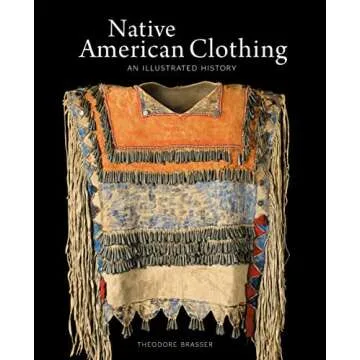
However, this event came at a significant cost to Indigenous peoples who had previously inhabited these lands. The forced removal of Native American tribes from their ancestral territories led to complex social and political ramifications. Communities were disrupted, cultures disregarded, and lives forever changed.
The Aftermath of the Land Rush
The aftermath of the land rush saw the rapid establishment of towns and the growth of the Oklahoma Territory into a vibrant agricultural hub. With settlers taking advantage of the land, the area evolved economically and culturally over the following decades, contributing to the overall development of the United States.
Fun Fact
The Legend of the Sooners
Did you know that the term "sooners" refers to those who illegally entered the territory before the official start of the land rush? Many sought to claim prime plots of land ahead of time, leading to a mix of excitement and controversy during the event.
Additional Resources
Recommended Reading on the Oklahoma Land Rush
For those interested in exploring this fascinating historical event further, consider reading The Land Rush of 1889 by Sherry Morgan or Oklahoma Land Rush: A History by Diane Awerbuck. These texts provide insightful perspectives on the land rush's impact on American history.








 Continue with Google