


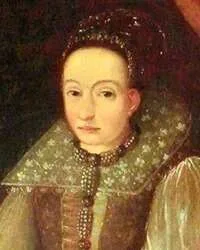
The Tragic Life of Elizabeth Báthory
Born on August 7, 1560, in Nyírbátor, Hungary, Elizabeth Báthory was a prominent noblewoman whose legacy is overshadowed by her alleged crimes, earning her the notorious title of "the world's most prolific female serial killer." Her life, steeped in social privilege, took a dark turn that has fascinated historians, writers, and the public for centuries. Not only was she a countess, but she was also a well-educated and culturally refined woman, making her tragic downfall all the more perplexing.
The tales surrounding Elizabeth Báthory often blend historical facts with myths, creating an elaborate narrative that highlights the conflicting images of her as both a victim of socio-political intrigue and a heinous murderer. In the early 17th century, rumors began to circulate about her cruel and sadistic behavior toward young servant girls. It is said that she believed that bathing in the blood of virgins would preserve her youth, a chilling legend that has perpetuated her infamy.
Elizabeth Báthory’s Dark Reputation
Known for her beauty and fierce temper, Elizabeth Báthory's reputation morphed into something sinister when accusations of torture and murder emerged. Reports claimed she was responsible for the deaths of over 600 young women. These allegations were fueled by her estranged family and political enemies who leveraged her reputation for their gain. The truth of her actions remains a subject of fierce debate among historians, who argue about whether Elizabeth was truly guilty or merely a victim of unfounded accusations.
Legal Trials and Exile
In 1610, after extensive investigations, charges were officially brought against Elizabeth Báthory. Her cousin, Miklos Cziraky, acted as her accuser, which led to a royal investigation. The implications of Elizabeth's actions prompted a scandal across Europe. Despite being charged, she was never tried in court. Instead, she was confined to her castle in Čachtice, where she lived under house arrest until her death in 1614, at the age of 54.
The Legacy of Elizabeth Báthory
Elizabeth Báthory's life and crimes have inspired countless stories, films, and works of art, contributing to her status as a cultural icon of horror. The fascination with her character navigates the realms of fact and fiction, showcasing humanity's intrigue with the dark and macabre. Her legend continues to raise questions about power and the nature of evil.
Elizabeth Báthory’s Role in Vampire Lore
The myths surrounding Elizabeth Báthory have permeated popular culture, linking her name to vampire lore and the concept of female monstrosity. The idea that she would bathe in the blood of virgins resonated in folklore, affecting how women are perceived in literature and how historical accounts are told, often through a sensational lens.
Impact on Society
Even centuries after her death, the case of Elizabeth Báthory influences discussions about women's rights and historical narratives concerning female power and oppression. The contradictions of her life serve as a warning about the extremes of female agency in a patriarchal society.
Fun Fact
Elizabeth Báthory’s Interesting Fact
Aside from her infamy, Elizabeth Báthory was also known for her keen interest in the arts, literature, and education, which contradicts her gruesome legacy. This fascinating duality adds complexity to her character as both a cultured noblewoman and a potential criminal.
Additional Resources
Recommended Reading on Elizabeth Báthory
For readers intrigued by the life of Elizabeth Báthory, consider the following titles: The Blood Countess by Andrei Codrescu, and Elizabeth Báthory: The Uncanny Life of the Blood Countess by Gothic author, M.J. McGrath. These works delve into her life, offering insights into her motivations and the historical context surrounding her story.











 Continue with Google