


Overview of the League of Venice
The League of Venice was a significant alliance formed in the late 15th century aimed at countering French influence in Italy. Established in 1495 under the guidance of Pope Alexander VI, the league brought together key political players of the time, including the Archduke Maximilian I of Austria, Ferdinand II of Aragon, Duke Ludovico Sforza of Milan, and the Republic of Venice. This alliance was a response to the aggressive expansionist policies of France, led by King Charles VIII, who sought to annex the Italian territories.
Key Figures of the League of Venice
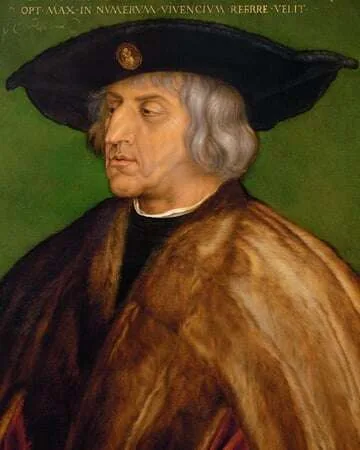
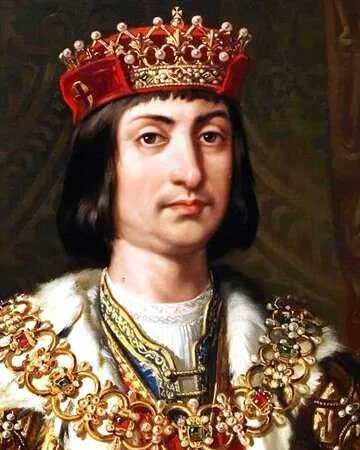
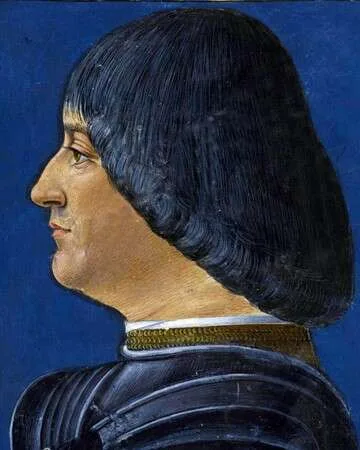
The formation of the League was a strategic effort led by several prominent figures of the Renaissance. Pope Alexander VI, a key instigator of the alliance, used his influence to foster collaboration among these leaders. Maximilian I, as the Holy Roman Emperor, sought to strengthen his political position and counterbalance French power. Ferdinand II aimed to protect Aragon's interests in Italy, while Ludovico Sforza's ambition was to secure his dukedom against external threats. Venice, with its vast commercial empire, played a central role, aiming to ensure the stability of its trade routes.
The Strategic Importance of the League
The League of Venice represented not only a military alliance but also a diplomatic maneuver in a turbulent political landscape. By uniting these leaders, the league aimed to defend the sovereignty of Italian states and curtail French expansion. This coalition was significant in shaping the political boundaries of Italy and the broader European realm, marking a pivotal moment in the Italian Wars.
Consequences of the League's Formation
The initiative of the League of Venice led to immediate military action against French forces in Italy. It successfully mobilized a unified front, resulting in the Battle of Fornovo in July 1495, where the league's forces engaged with Charles VIII's troops. Although the battle ended in a tactical stalemate, it effectively halted the French advance in Italy, showcasing the strength of the alliance.
Military Actions and Challenges
Despite the initial successes, maintaining unity among the league's members proved challenging. The different political motives and interests of the allies led to internal conflicts that diminished the effectiveness of their united front. Over time, the shifting dynamics of European power relations caused the alliance to fray, leading to new conflicts and rivalries.
Long-term Impact on Italian Politics
The League of Venice set a precedent for collaborative defense among the Italian states against foreign intervention. This alliance marked a notable shift in the balance of power in Italy, illustrating the complexities of Italian politics during the Renaissance. The events that unfolded after the league's formation helped pave the way for later alliances and conflicts that would shape Italian unity in the centuries to come.
Fun Fact
Did You Know? About the League of Venice
Despite its military objectives, the League of Venice contributed to the evolution of diplomatic relations in Europe. It pioneered concepts of collective security that would be echoed in later alliances, including those in the 20th century.
Additional Resources
Recommended Reading on the League of Venice
For readers interested in exploring more about the League of Venice and its historical context, consider the books "The Italian Wars 1494-1559" by Michael Mallett and "The Renaissance in Italy: A Social and Cultural History of the Rinascimento" by Paul Strathern. These works offer a deeper insight into the events and figures surrounding this critical alliance.












 Continue with Google