


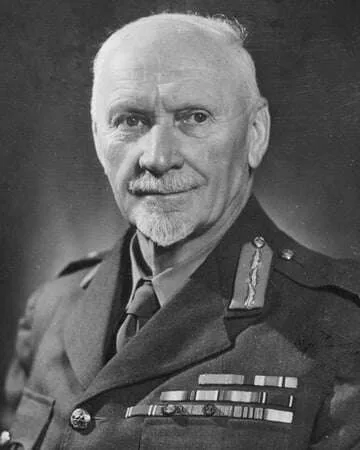
Jan Smuts: Early Life and Political Rise
Jan Smuts was born on May 24, 1870, in Bovenplaats, Cape Colony, part of the British Empire. He grew up in a region where the language and culture were intertwined with the British colonial experience and Boer heritage. Smuts received his education at Victoria College in Stellenbosch and later at the University of Cambridge where he excelled academically. His early years shaped his views on both nationalism and internationalism, which would guide his political career.
Transition into Politics
His political career started in earnest after his involvement in the Second Boer War. Smuts was a prominent military leader during the conflict, showcasing both tactical brilliance and a commitment to the Boer cause. After the war, he transitioned into politics, becoming a significant figure in the newly formed Union of South Africa. His leadership qualities and vision for South Africa propelled him into the role of Prime Minister first in 1919, before holding the office again from 1939 to 1948.
Military Leadership in Global Conflicts
Smuts' military career extended beyond the Boer War. He served with distinction in World War I, where his strategic insights contributed to several British victories. Notably, he authored the Smuts Report, which laid the foundation for the Royal Air Force's formation, reflecting his innovative approach to modern warfare and aviation.
Jan Smuts: Visionary for Peace
Smuts was not just a military leader; he was also a staunch advocate for international peace. After World War I, he became a key player in creating the League of Nations and later contributed to the founding of the United Nations following World War II. He believed in fostering international cooperation to prevent future conflicts.
An Advocate for the Commonwealth
During his tenure, Smuts strongly advocated for the British Commonwealth, emphasizing unity among nations and promoting common interests. His efforts were rooted in a desire to see former adversaries work together for shared goals, steering away from colonial views.
Legacy and Recognition
Smuts’ legacy extends beyond politics into various domains such as agriculture and environmental policy. He is recognized for his commitment to preserving the natural landscape of South Africa while promoting development. His vision of a united, peaceful world continues to resonate today.
Fun Fact
Jan Smuts’ Unique Perspective on Nature
Jan Smuts was not only a statesman but also a philosopher, believing deeply in the interconnectedness of all things. He published works on his philosophy of Holism, arguing that the whole is greater than the sum of its parts - a concept that has impacted various fields of study.
Additional Resources
Recommended Reading on Jan Smuts
For those interested in learning more about Jan Smuts, consider reading “Jan Smuts: The Continuity of Politics” by William E. E. B. de Klerk and “Jan Smuts: A Biography” by J. H. de Villiers. These texts delve deeper into his life, philosophies, and the complexities of his political career.









 Continue with Google