


José Guadalupe Posada: A Pioneering Artist
José Guadalupe Posada, born in 1852, in Aguascalientes, Mexico, was a prolific illustrator and printmaker whose works captured the cultural essence of Mexico at the turn of the 20th century. With a career spanning over three decades, Posada is best known for his striking and often poignant representations of death through his calaveras (skulls), which have since become iconic symbols of Mexican culture. Posada's illustrations were not just art; they served as a vehicle for social commentary, addressing political and social issues of his time, making him a significant figure in Mexican art history.
Life and Contributions of José Guadalupe Posada
Throughout his career, Posada contributed to numerous publications, including the popular satirical journal El Hijo del Ahuizote. His illustrations often reflected the struggles of the common people and were heavily influenced by the Mexican Revolution. One of his notable series features La Calavera Catrina, a female skeleton elegantly dressed, which became a powerful symbol of the Day of the Dead celebrations. Moreover, Posada’s unique illustrative style paved the way for future Mexican artists, solidifying his place as a founding father of Mexican printmaking.
The Last Years of José Guadalupe Posada
Despite his monumental impact on art and culture, Posada faced numerous hardships, especially financial struggles, later in life. His health declined as he aged, and he passed away on January 20, 1913, at the age of 60, in Mexico City. His death marked the end of an era for Mexican art, but his legacy lived on, influencing countless artists.
José Guadalupe Posada's Death and Its Impact
José Guadalupe Posada’s passing was deeply felt across Mexico, mourned not just by friends and family, but also by the artistic community and the public. His work had resonated profoundly, capturing the spirit of Mexico and reflecting the complexities of life and death.
The Legacy of Posada After His Death
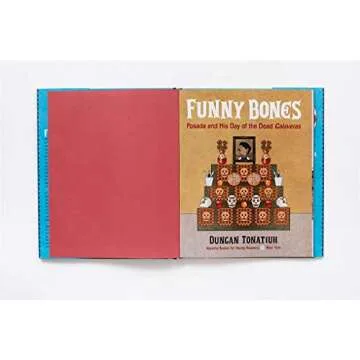
Following his death, interest in Posada's work grew, as his illustrations became emblematic of the Mexican identity. Posada’s calaveras continue to influence art and culture within Mexico and beyond, especially during festivities such as Día de los Muertos where his work is celebrated and honored as a crucial part of Mexican heritage.
Posada's Artistic Approach
Posada employed a rich mix of satire and tradition in his works, allowing people to confront the realities of death with humor and dignity. This blend of social critique and artistic expression defined his unique approach to art and has ensured his relevance even today in discussions surrounding cultural identity.
Fun Fact
José Guadalupe Posada’s Lasting Influence
Did you know that José Guadalupe Posada is often referred to as the "father of the modern Mexican print?" His deep exploration of themes like death and tradition set the foundation for a rich artistic culture in Mexico that celebrates life even amidst sorrow.
Additional Resources
Recommended Reading on José Guadalupe Posada
For those interested in exploring more about Posada's life and works, consider reading "Los grabados de José Guadalupe Posada" and "José Guadalupe Posada: A Mexican Artist". These books offer insight into how his art shaped Mexican society.



 Continue with Google