


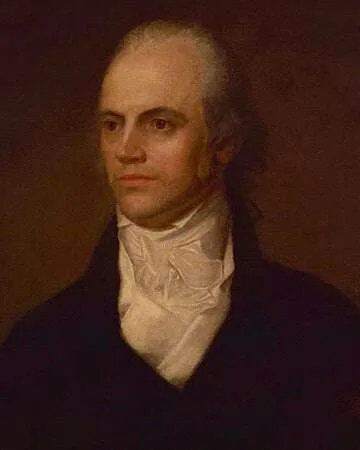
Aaron Burr: A Complex Historical Figure
Aaron Burr, born on February 6, 1756, in Newark, New Jersey, served as the 3rd Vice President of the United States from 1801 to 1805. His life was marked by a series of triumphs and controversies, encapsulating the turbulent political climate of early America. Burr's tenure as Vice President was significant, but it was overshadowed by his infamous duel with Alexander Hamilton, a dramatic event that changed the course of both men's lives.
Aaron Burr's Early Life
Growing up in a politically active family, Burr was exposed to the stirs of revolution and governance at an early age. He graduated from Princeton University at the young age of 16 and went on to establish a robust legal career. Burr's ambition and charisma helped him rise in political circles, eventually leading him to the vice presidency under Thomas Jefferson when the Democratic-Republican party had its stronghold in the early 19th century.
The Vice Presidency of Aaron Burr
During his time as Vice President, Aaron Burr was known for his contentious relationship with President Jefferson. While he played a supportive role in Jefferson’s presidency, tensions grew, particularly surrounding the electoral process of 1800, where he famously tied with Jefferson. This unprecedented event led to the 12th Amendment, changing how Presidents and Vice Presidents were elected in the United States.
The Infamous Duel with Alexander Hamilton
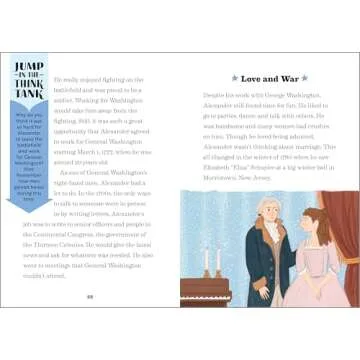
The most notorious moment in Aaron Burr's life came on July 11, 1804, when he faced off against political rival Alexander Hamilton in a duel. This confrontation arose from a longstanding feud that became personal following Hamilton’s disparaging remarks about Burr’s character during the election campaign. Their meeting on the fields of Weehawken, New Jersey, resulted in Hamilton's death, leaving Burr to navigate the political and personal fallout that ensued.
The Aftermath of the Duel
The tragic event effectively ended Burr’s political career and propelled him into a life of controversy and public scorn. Despite claiming he acted in defense of his honor, Burr was charged with murder in New York and New Jersey but was never convicted. His reputation remained tarnished, and he was viewed as a villain in the ensuing narratives about the formation of the United States.
Legacy of Aaron Burr
Despite the controversies, Burr's legacy is complex and multifaceted. After leaving public office, he sought fortune in the West, engaging in various ventures, including attempts to establish his own empire. His contributions to American history continue to be the subject of study and debate, reflecting the tangled web of morality, politics, and ambition.
Fun Fact
Aaron Burr’s Multifaceted Personality
Beyond his political ambitions, Aaron Burr was an accomplished soldier and lawyer, as well as a lover of the arts and culture. His character has inspired numerous books, films, and even musicals in modern media, illustrating the enduring fascination with his life and times.
Additional Resources
Recommended Reading on Aaron Burr
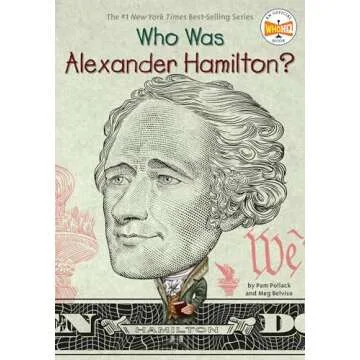
For those interested in exploring more about Aaron Burr, consider reading "The Duel: The Parallel Lives of Alexander Hamilton and Aaron Burr" by Joseph Ellis or "Aaron Burr: A Biography" by Harlow Gustave Unger, which offer deeper insights into his remarkable but controversial life.






 Continue with Google