


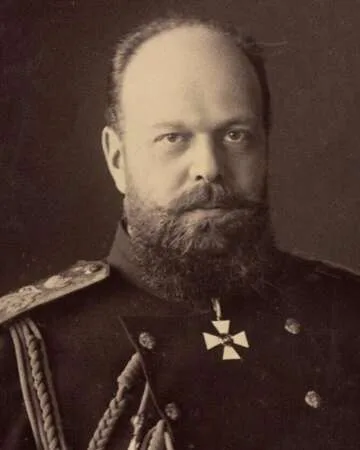
Born to Lead: The Early Life of Alexander III
**Alexander III** was born on March 10, 1845, in the lavish Winter Palace in St. Petersburg, a symbol of the imperial power of the Russian Empire. As the second son of Tsar Alexander II, he spent his early years immersed in the grandeur of royal life. His upbringing was heavily influenced by his father's progressive reign, which saw significant reforms, including the emancipation of the serfs.
The Early Years of Alexander III
During his formative years, Alexander III was groomed for leadership under the watchful eye of his father. He was educated with an emphasis on military discipline and governmental affairs, preparing him to eventually succeed to the throne. These early lessons shaped Alexander into a strong leader with a distinct vision for his country.
Tragedy and Ascendancy to the Throne
In 1881, tragedy struck when Tsar Alexander II was assassinated, thrusting Alexander III into the role of Tsar at the young age of 36. This tragic event deeply influenced his reign, igniting a desire to restore order and stability within the empire. His ascension marked a significant shift in Russian politics, moving away from the liberal reforms initiated by his father.
The Reign of Alexander III: A Conservative Era
Alexander III's rule from 1881 to 1894 is often characterized by a period of conservatism and counter-reform. He implemented strict policies to quell dissent and maintain the autocratic nature of the monarchy. This was a time when the Russian Empire faced various challenges, including social unrest and burgeoning nationalist movements.
Alexander III's Policies and Reforms
In contrast to his father, Alexander III embarked on a series of repressive measures, including the restriction of civil liberties and the targeting of revolutionary movements. His government censored the press, suppressed political activism, and enforced a strong Russian nationalism that sought to unify the diverse ethnicities within the empire.
The Cultural Impact of Alexander III’s Reign
Despite his conservative policies, Alexander III was a patron of the arts and education. He promoted Russian culture and sought to establish a national identity that resonated with the people. Notably, his reign saw the growth of educational institutions and the flourishing of Russian literature, theatre, and music, laying essential groundwork for future generations.
Fun Fact
A Fascinating Tidbit about Alexander III
Did you know that Alexander III was known for his imposing stature and strength? He stood over 6 feet tall, earning him the nickname "the Peacemaker" due to his desire to maintain stability and avoid conflict during his reign.
Additional Resources
Recommended Reading on Alexander III
For those interested in exploring more about this remarkable Tsar, consider reading "Alexander III: The Unseen Tsar" by Michael H. Rainsford or “Russia Under the Old Regime” by Richard Pipes. These works delve into his life, policies, and the historical context of his reign.






 Continue with Google