


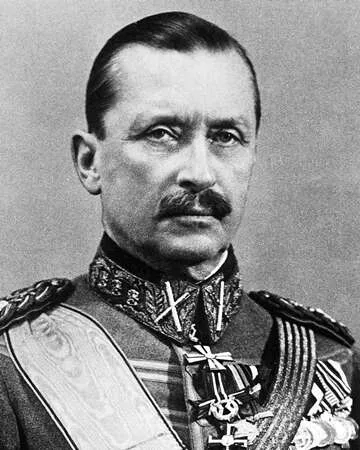
Celebrating the Life of a Finnish Leader
Carl Gustaf Emil Mannerheim, born on June 4, 1867, in Askainen, Grand Duchy of Finland, was a prominent military and political figure in Finnish history. He is best remembered for his exceptional leadership during turbulent times, including his roles as a general in the Finnish army and as the 6th President of Finland from 1944 to 1946. Mannerheim's multifaceted career is marked by his strategic skills and patriotic fervor, ensuring Finland's sovereignty during the harrowing periods of the World Wars.
Mannerheim’s Early Life and Military Career
Mannerheim was born into a noble family, which afforded him an education that would lay the foundation for his future endeavors. He joined the military academy in Saint Petersburg, ultimately serving in the Imperial Russian Army. His experiences shaped his character and strategic mindset. After Finland gained independence in 1917, Mannerheim returned to serve as the leader of the Finnish army in the Civil War, where he played a pivotal role in securing victory for the White faction.
Mannerheim’s Leadership in War
As a general, Mannerheim was notable during the Winter War (1939-1940) against the Soviet Union, leading Finnish forces with bravery and tactical genius. His strategies enabled Finland to withstand the larger Soviet forces, earning him national and international recognition as a military leader. His ability to unite and inspire his troops had a lasting impact on Finland’s national identity.
Mannerheim as the President of Finland
In 1944, amidst World War II and the shifting political landscape, Mannerheim assumed the presidency, guiding the nation through complex negotiations and peace treaties. His presidency was characterized by a commitment to ensure Finland's independence and stability during a challenging period marked by conflict with the Soviet Union.
Mannerheim's Diplomatic Endeavors
During his presidency, Mannerheim focused on maintaining Finland's autonomy while navigating the pressures of a war-torn Europe. His diplomatic skills were crucial in negotiating Finland’s peace terms with the Soviet Union, which had lasting implications for Finland's foreign policy and relationships with other nations.
The Aftermath of His Presidency
After serving as president until 1946, Mannerheim retired from politics and dedicated his later years to writing and reflection. He became a vital figure in Finnish history, with his legacy shaping contemporary understandings of Finnish nationalism and resilience.
Fun Fact: A Legendary Figure
Mannerheim’s Equestrian Skills
Outside of his military acumen, Mannerheim was also an accomplished horseman. His love for horses and riding played a significant role throughout his life, symbolizing his devotion to military discipline and the complexities of leadership.
Additional Resources
Recommended Reading on Carl Gustaf Emil Mannerheim
For those interested in exploring more about this remarkable figure, consider reading Mannerheim: President, Soldier, Spy by Henry Toivonen and The Winter War: The Russo-Finnish War of 1939-1940 by William Trotter. These resources provide deeper insights into Mannerheim's strategic brilliance and the historical context of his leadership.



 Continue with Google