


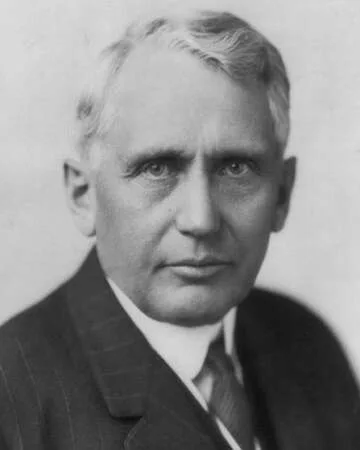
Who Was Frank Kellogg?
Frank Kellogg: A Politician and Diplomat
Frank Kellogg was a significant figure in American history, born in Potsdam, New York in 1856. He rose through the ranks of American politics, eventually becoming the U.S. Secretary of State from 1925 to 1929. His most notable achievement was the Kellogg-Briand Pact, which aimed to outlaw war.
Early Life and Career of Frank Kellogg
Kellogg's early beginnings in Potsdam fostered his commitment to law and politics. After studying law, he built a successful practice and eventually entered public service, reflecting a deep commitment to American diplomacy and international peace.
The Kellogg-Briand Pact: A Landmark Treaty
Ideals Behind the Kellogg-Briand Pact
The Kellogg-Briand Pact, created in 1928, was a significant international agreement that sought to renounce war as a means of resolving disputes. Kellogg, alongside French Foreign Minister Aristide Briand, introduced this treaty which was signed by numerous countries, representing a global effort to prevent future conflicts.
Impact of the Kellogg-Briand Pact
Though the Kellogg-Briand Pact was ultimately not effective in preventing wars, its intentions laid the groundwork for future international treaties promoting peace. For his efforts in diplomacy, Kellogg was awarded the Nobel Peace Prize in 1929, marking a significant recognition of his contributions to global peace initiatives.
Frank Kellogg's Enduring Influence
The Legacy of Frank Kellogg
Frank Kellogg passed away in 1937, but his legacy as a champion of peace continues to resonate today. His ambition to create a world free from war transformed international relations and inspired future treaties aimed at global cooperation and peacekeeping.
Lessons from Kellogg's Diplomacy
Kellogg’s work reminds us of the importance of dialogue and legal frameworks in addressing international conflicts. His belief that nations could coexist without resorting to war remains a guiding principle in global diplomacy.
Fun Fact
Did You Know?
Despite the Kellogg-Briand Pact's idealism, it ultimately failed to prevent conflicts like World War II. Its existence, however, still serves as an important historical reference in discussions about war and peace.
Additional Resources
Recommended Reading on Frank Kellogg
For those interested in delving deeper into the life of Frank Kellogg and his contributions to diplomacy, consider reading "The Diplomacy of the War of 1812" or "Kellogg-Briand Pact: The Forbidden Fruit of War".




 Continue with Google