


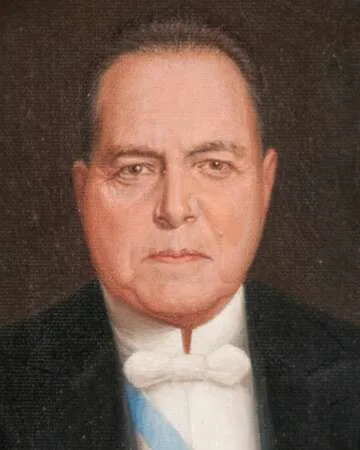
The Influential Presidency of Hipólito Yrigoyen
Hipólito Yrigoyen was a significant figure in Argentine history, known for his transformative impact as the President of Argentina during two tumultuous periods: from 1916 to 1922 and again from 1928 to 1930. Born in Buenos Aires on July 12, 1852, Yrigoyen was a member of the Radical Civic Union, a political party that advocated for democratic reforms and social justice. He became the first president elected through a truly democratic process in Argentina, heralding a new era of political engagement and reform.
During his presidency, Yrigoyen implemented several progressive policies aimed at the working class, including labor rights and public welfare initiatives. He is often credited with expanding the role of government in economic matters, establishing a new baseline for state involvement in social issues, a move that resonated with lower and middle-class citizens. This period laid the groundwork for modern Argentine politics and social democracy.
Hipólito Yrigoyen's Political Philosophy
Yrigoyen's leadership was characterized by a strong connection to the popular will. He believed in the principle of popular sovereignty, which pushed him to engage directly with the electorate rather than through elite channels. His administration focused on social justice and advocated for the working class, making him a beloved figure among the masses but also drawing criticism from conservative sectors of society who opposed his reforms.
The Economic and Social Reforms Under Yrigoyen
One of the hallmarks of Yrigoyen's presidency was the implementation of significant social reforms aimed at addressing the disparities in wealth and power in Argentina. He championed laws that improved working conditions, such as the establishment of an eight-hour workday and the regulation of wages, policies that endeared him to the working class and earned him the nickname "El Peludo" due to his unkempt appearance, which reflected his humble beginnings.
The Downfall of Yrigoyen and Its Consequences
The political landscape shifted dramatically in Argentina following a series of economic difficulties in the late 1920s, which weakened Yrigoyen's administration. His second term was marked by increasing unrest, opposition from various political factions, and a growing perception of authoritarianism. In 1930, following a military coup, Yrigoyen was ousted from power, marking a significant turning point in Argentine politics.
The Impact of the 1930 Coup on Yrigoyen's Legacy
Yrigoyen's removal from office led to years of political instability and paved the way for a series of military regimes that would dominate Argentine politics for decades. Despite this, Yrigoyen's legacy as a proponent of democracy and social reform has endured, inspiring future generations of political leaders and activists who seek to uphold his vision of a more equitable society.
Yrigoyen's Enduring Influence on Argentine Politics
Even after his death in 1933, Yrigoyen's influence continued to resonate in Argentine politics. His commitment to social justice and democracy laid the foundations for future political movements, and his story serves as a reminder of the profound impact one leader can have on the direction of a nation. His memory is honored in numerous monuments and memorials throughout Argentina.
Fun Fact
Yrigoyen and His Political Skills
Besides his political acumen, Yrigoyen was known for his exceptional oratory skills, captivating audiences with his emotional appeals for social justice and equality. He was capable of connecting with the ordinary citizen, which played a significant role in his electoral success.
Additional Resources
Recommended Reading on Hipólito Yrigoyen
For those interested in diving deeper into Yrigoyen's life, consider reading "Yrigoyen: The Man Who Changed Argentina" and "The Radical Civic Union: Politics in Argentina". These books provide comprehensive insights into his presidency and lasting impact on Argentine society.







 Continue with Google