


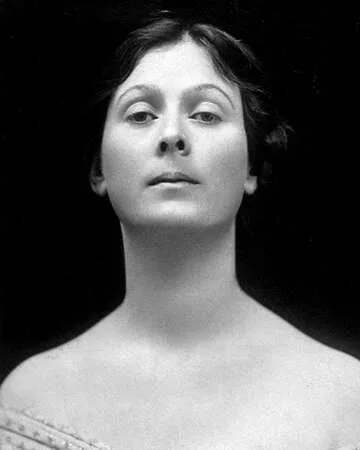
Celebrating Isadora Duncan: A Pioneer of Dance
Isadora Duncan, born in 1877 in San Francisco, California, is widely recognized as a trailblazer in the world of dance. Often referred to as the "Mother of Modern Dance," Duncan broke away from the constraints of traditional ballet, introducing a new form of dance characterized by freedom and expressiveness. Her innovative approach not only redefined dance but also paved the way for future generations of dancers to explore their own identities through movement.
The Early Life of Isadora Duncan
Duncan grew up in a creative and somewhat bohemian environment, encouraging her from a young age to express herself. Her early formative experiences in dance were heavily influenced by her passion for music and an admiration for Greek art. It was during these years that she developed a deep understanding of how dance could communicate emotions and tell stories.
Isadora Duncan's Breakthrough in Dance
In 1898, Isadora Duncan moved to Europe, where her revolutionary style quickly gained popularity. She captivated audiences with her performances that emphasized the natural movements of the body, inspired by the waves of the ocean, the rustling of leaves, and other elements of nature. The use of light, flowing costumes further enhanced the dreamlike quality of her performances, distinguishing her from her contemporaries.
Expressive Freedom in Duncan's Dance
Unlike traditional ballet that prioritized technical precision and rigid structures, Duncan believed that dance should reflect the dancer's inner feelings. Her philosophy centered around the idea that each individual has a unique form of expression that should be celebrated. Through her work, she emphasized the importance of personal interpretation and emotional depth, allowing dancers to explore their own interpretations of music and movement.
Celebrating Human Emotion through Dance
Duncan's pieces often conveyed deep emotional narratives, from joy and love to melancholy and sorrow. By using her own life experiences as inspiration, she brought a raw authenticity to her performances that resonated strongly with audiences. Isadora Duncan's approach made dance accessible, relatable, and a powerful medium for storytelling.
The Legacy of Isadora Duncan
Despite facing personal tragedies, including the loss of her children and a tumultuous romantic life, Duncan continued to influence the world of dance until her untimely death in 1927. Today, the techniques she pioneered continue to resonate with dancers and choreographers across various disciplines, ensuring that her legacy endures.
Fun Fact: Isadora's Unique Performance Style
Isadora Duncan’s Interesting Fact
Did you know that Duncan famously performed barefoot? She believed that shoes restricted movement and that dancers should connect directly with the earth while performing, symbolizing a return to nature.
Additional Resources
Recommended Reading on Isadora Duncan
For those interested in diving deeper into Isadora Duncan’s life and contributions to dance, consider reading "My Life", her autobiography that details her personal journey and philosophy on dance, or "Isadora Duncan: My Life” by Isadora herself, offering an intimate look into her art and personal struggles.












 Continue with Google