


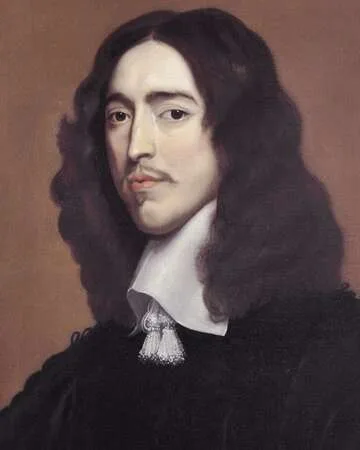
The Early Years of Johan de Witt
Born in Dordrecht, Netherlands on September 24, 1625, Johan de Witt was destined to play a significant role in Dutch politics and governance. Growing up in a politically active environment, he was introduced to the intricate world of statecraft and governance early in his life. De Witt was not just a statesman; he was also a learned man with a strong foundation in law and economics, which later influenced his policies and reforms.
Johan de Witt’s Education and Early Career
De Witt pursued his studies in law at the University of Leiden, which equipped him with the skills necessary to navigate the complexities of political life. His early career saw him appointed to various positions, including serving as a counselor in the city of Dordrecht. His sharp intellect and eloquence soon caught the attention of the political elite, propelling him into higher offices.
The Rise to Grand Pensionary
By 1653, Johan de Witt became the Grand Pensionary of Holland, a position he held until his untimely death in 1672. This role put him at the helm of Dutch governance, where he became a leading figure in the political landscape of the Dutch Republic. His leadership was characterized by his commitment to Republican principles and skilled diplomacy.
A Reformer at Heart
Johan de Witt's tenure as Grand Pensionary was marked by significant reforms aimed at strengthening the Dutch Republic. He focused on promoting economic stability and national unity during a tumultuous era, characterized by warfare and tension with neighboring nations.
Johan de Witt's Influence on Dutch Politics
Under de Witt's leadership, the Dutch Republic experienced a period of relative peace and prosperity, known for its remarkable maritime trade and cultural advancements. He emphasized the importance of republicanism over monarchy, advocating for the governance of the state by elected officials, which shaped the Dutch political landscape long after his death.
The Decline of the De Witt Era
However, Johan de Witt's policies faced significant challenges, especially during the Franco-Dutch War. His political enemies seized the moment to diminish his influence, leading to his eventual downfall. The growing opposition culminated in a tragic end for de Witt in 1672—an event that marked a dramatic shift in Dutch politics.
Fun Fact
Johan de Witt’s Unexpected Death
In 1672, de Witt was brutally murdered by an angry mob in The Hague. Despite his strong governance, many blamed him for the Republic's misfortunes, illustrating the volatile nature of political power during that time. His death symbolizes the dangers faced by progressive leaders who challenge the status quo.
Additional Resources
Recommended Reading on Johan de Witt
For those interested in diving deeper into the life of Johan de Witt, consider reading "Johan de Witt: Statesman of the Dutch Republic" or "The Dutch Republic: Its Rise, Greatness, and Fall 1477-1806", both of which provide further insights into his political strategies and the era he shaped.










 Continue with Google