


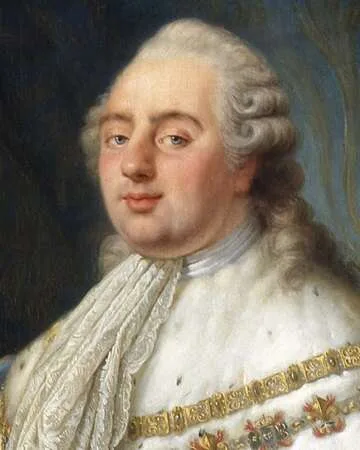
The Rise of Louis XVI to the French Throne
Louis XVI of France was born on August 23, 1754, in the lavish palace of Versailles, situated in the Yvelines department of France. Ascending to the throne in 1774, he became king during a tumultuous time in French history. His reign was marked by significant **political and economic challenges**, including the financial crisis stemming from costly wars and the lavish expenses of the monarchy.
Louis XVI: The Young Monarch
Before becoming king, Louis XVI was known as Louis-Auguste. He was only 20 years old when he inherited the crown from his grandfather, Louis XV. Many believed that his youthful energy would rejuvenate the monarchy. However, Louis' **lack of political experience** coupled with the growing unrest among the populace led to mounting pressures for reform.
The Financial Strains and Attempted Reforms
Louis XVI faced enormous financial hardships faced by his kingdom. One of his significant decisions was to appoint a series of financial ministers to address these issues, including the well-known Jacques Necker. Despite attempts to implement reforms, like taxing the nobility, resistance from the privileged classes thwarted his efforts, further deepening his unpopularity.
The Fall of Louis XVI and the French Revolution
The year 1789 marked a turning point for Louis XVI as the **French Revolution** erupted. The king's inability to manage the crisis ultimately led to the loss of his power and an increase in revolutionary fervor among the people. His reign could not withstand the waves of discontent, and he became a symbol of the monarchy's excesses.
The Arrest and Trials of Louis XVI
In June 1791, Louis XVI attempted to flee France with his family, hoping to rally support from foreign powers. However, their capture at Varennes was a decisive moment that led to his **imprisonment**. Following his trial by the National Convention in 1792, he was accused of **treason** for conspiring against the republic.
The Execution of Louis XVI
As the revolutionary fervor sparked a radical change in France, Louis XVI was ultimately found guilty and faced the grim fate of execution. On **January 21, 1793**, he was guillotined in the Place de la Révolution in Paris. This event marked not only the end of his reign but also symbolized the dramatic shift from monarchy to republic that characterized this pivotal period in French history.
Fun Fact
Louis XVI’s Unique Interest
Despite his turbulent reign, Louis XVI was a keen **locksmith** and enjoyed working with wood and mechanics as a hobby. This personal interest provided him with a sense of escape amidst the growing turmoil of his rule.
Additional Resources
Recommended Reading on Louis XVI
For those interested in learning more about Louis XVI, consider reading The Bastille: A History of a Symbol of Freedom by Thomas L. McCauley or Louis XVI: The Silent King by Edward J. Dwyer. These works delve into the life, challenges, and eventual downfall of this complex monarch.











 Continue with Google