


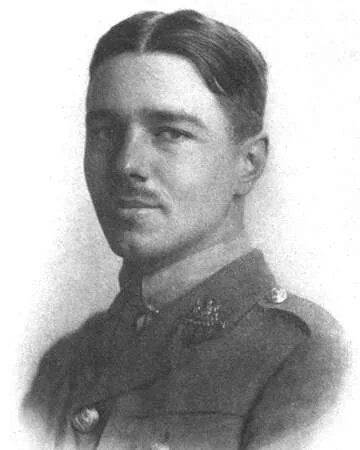
The Early Years of Wilfred Owen
Wilfred Owen was born in 1893 in Oswestry, Shropshire, England. From a young age, he displayed a profound appreciation for literature and poetry, influenced by the rich literary culture of his time. Owen's early life was marked by a stable home environment, yet the political landscape of the early 20th century, especially the looming World War I, would have a dramatic impact on his future. As he grew older, Owen became increasingly aware of the realities of war, which would later shape his poignant writing.
Owen began his formal education at the Oswestry Grammar School and later pursued a career in teaching. However, his true passion lay in poetry. Even before he enlisted in the army, Owen was already writing poems that reflected his deep emotional responses to societal issues, particularly the rampant nationalism that led to the Great War.
Wilfred Owen's Military Experience
In 1915, Owen enlisted in the British Army, longing to serve his country and experience the great adventure of war. However, what he encountered in the trenches was far from glorious. His firsthand experiences of the brutality and horrors of trench warfare profoundly impacted his writing style and themes. Owen quickly transitioned from romanticized notions of war to a harsh reality that demanded expression through powerful poetry.
Owen's Anti-War Poetry
One of Owen's most famous works, "Anthem for Doomed Youth", poignantly captures the despair and death that flood the battlefields. The poem mourns the loss of young soldiers, contrasting the sounds of war with the silence that comes after death. Owen's unique ability to convey the psychological trauma of soldiers, alongside his rejection of traditional war glorification, marks a shift in poetic literature during the war era.
The Lasting Impact of Wilfred Owen
Tragically, Wilfred Owen's promising life and career were cut short when he was killed in action in 1918, just a week before the end of the war. His death at such a young age only enhances the poignancy of his works. Although he wrote only a little more than a dozen poems, his contributions have made him one of the most significant poets of the 20th century.
Recognition of Owen's Work
Wilfred Owen's poetry gained tremendous recognition posthumously. Today, he is celebrated not only as a war poet but also as a pivotal figure in anti-war literature. His works continue to resonate with readers for their raw emotion and unflinching honesty. Poems like "Futility" explore the senselessness of life lost to war, encapsulating the despair felt by many during that turbulent time.
The Enduring Legacy of Wilfred Owen
Owen's legacy lives on, inspiring countless poets and activists who advocate for peace and the end of senseless warfare. His ability to articulate the terrible human cost of conflict remains incredibly relevant today, making him a timeless figure in literature.
Fun Fact
Wilfred Owen’s Interesting Fact
Wilfred Owen was nominated for the Military Cross for his bravery in the field, showcasing his complex identity as both a soldier and a critic of war.
Additional Resources
Recommended Reading on Wilfred Owen
For those interested in delving deeper into Owen's profound influence, we recommend "The Collected Poems of Wilfred Owen" and "War Poetry: An Anthology" for a broader context of his work in relation to other war poets.




 Continue with Google