


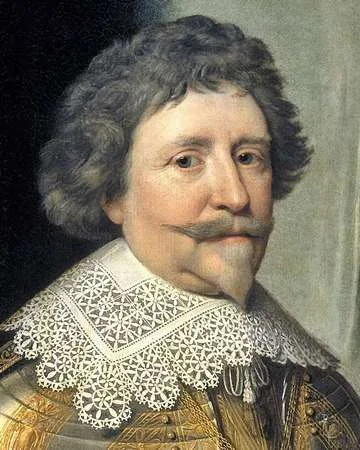
Frederick Henry: The Visionary Prince of Orange
Frederick Henry, born in 1584 in Delft, Dutch Republic, became one of the most influential leaders during a transformative period in Dutch history. As the Prince of Orange, he played a pivotal role in the Eighty Years' War, which saw the Netherlands fight for independence from Spanish rule. His reign as stadtholder of Holland, Zeeland, Utrecht, Guelders, and Overijssel from 1625 until 1647 was marked by significant political and military achievements that would shape the future of the Dutch Republic.
Frederick Henry succeeded his half-brother, Maurits of Nassau, and was known for his strong leadership and military prowess. He efficiently maneuvered through the turbulent political landscape of the time, utilizing both diplomacy and warfare to propel the Dutch towards independence. His reign not only aimed at military victories but also focused on establishing a stable governance model that favored the rise of the merchant class.
Early Life of Frederick Henry
Born into the House of Orange-Nassau, Frederick Henry was raised during a time of conflict. His youth was affected by the ongoing struggles between the Protestant provinces and the Catholic Spanish crown. This tumultuous environment fostered a sense of duty in him, which he carried throughout his life. His education included military studies, positioning him well for future leadership roles.
The Military Campaigns of Frederick Henry
Frederick Henry's military campaigns were notable for their strategic brilliance. He led successful sieges and battles that expanded the territory under Dutch control. His leadership during the Siege of 's-Hertogenbosch is particularly remembered; the city fell in 1629, boosting morale and support for the independence movement.
Political Acumen and Governance
Beyond military achievements, Frederick Henry's political acumen played a vital role in unifying the provinces and implementing reforms. His leadership style was characterized by a mix of authoritarian and participatory governance which helped to stabilize the region.
Reforms Introduced by Frederick Henry
Under Frederick Henry's rule, several reforms were introduced that improved the administration of the provinces. These changes helped streamline governance and laid the groundwork for future democratic principles that would emerge during the Dutch Golden Age. His policies focused on economic growth, supporting trade and shipbuilding, which significantly enhanced the wealth of the Dutch Republic.
Legacy of Frederick Henry
Frederick Henry's impact is still remembered in Dutch history as a leader who not only fought for independence but also nurtured a new era of growth and prosperity. His vision and dedication led to the establishment of a strong, independent Dutch Republic, which would become a major power in Europe in the years that followed.
Fun Fact
Frederick Henry's Sporting Passion
Many may not know that aside from his political and military endeavors, Frederick Henry was passionate about sports, particularly hunting and horse-riding, activities that illustrated the leisure culture of the Dutch nobility during his time.
Additional Resources
Recommended Reading on Frederick Henry
For those interested in learning more about Frederick Henry and the Dutch Republic, we recommend "The Rise of the Dutch Republic" by John Lothrop Motley and "The Dutch Republic: Its Rise, Greatness, and Fall 1477-1806" by Johan Huizinga. These works delve deeper into the political landscape during Frederick Henry's era.












 Continue with Google