


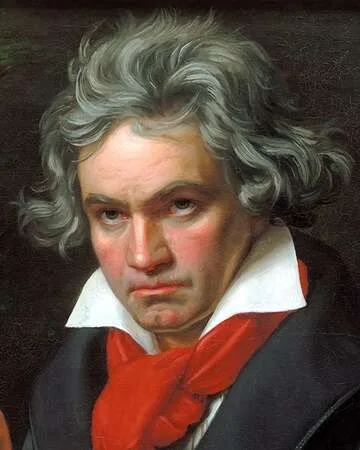
Unveiling the Heroic Symphony
The year 1805 marked a significant turning point in classical music history with the premiere of Ludwig van Beethoven's Symphony No. 3, famously known as the Eroica Symphony. This groundbreaking performance took place on April 7, 1805, at the Theater an der Wien in Vienna, and was conducted by Beethoven himself. The Eroica Symphony, originally dedicated to Napoleon Bonaparte, was a revolutionary piece that shattered the norms of classical symphonies, introducing unprecedented emotional depth and complexity.
Beethoven's Vision for Eroica
Beethoven envisioned the Eroica Symphony as a tribute to the ideals of heroism and individualism. This work was not merely an arrangement of musical notes; it was a reflection of Beethoven's growing belief in the power of the human spirit, a theme he wanted to resonate deeply with his audience. The awe-inspiring opening movement bursts with energy, setting a bold tone for the entire symphony, ultimately leading to a profound journey through struggle, triumph, and reconciliation.
The Unexpected Dedication Shift
Initially, Beethoven intended to dedicate the Eroica to Napoleon, viewing him as a champion of democratic ideals. However, after Napoleon declared himself Emperor in 1804, Beethoven withdrew this dedication, feeling disillusioned by his once-heroic idol. The Eroica Symphony thus transformed into a broader concept of heroism rather than a personal homage, symbolizing Beethoven's evolving musical and philosophical perspectives.
Mixed Reviews and Lasting Legacy
Despite its historical significance, the premiere was met with mixed reactions from contemporary critics. Some hailed it as a pioneering achievement, while others struggled to grasp its innovative structure and emotional intensity. Critics noted that the length and complexities of the symphony challenged conventional expectations of the time, which contributed to its divided reception.
Contemporary Reception of Eroica
Some of the early reviews of Beethoven's Eroica were perplexed, with listeners accustomed to more traditional symphonic forms finding it hard to appreciate the richness and depth of the new composition. Critiques varied widely, suggesting that audiences needed time to acclimate to Beethoven's bold departure from the familiar. Nevertheless, as the years progressed, the Eroica Symphony gained recognition for its revolutionary spirit and profound emotional depth.
Eroica's Impact on Future Composers
The Eroica Symphony established a new benchmark within the classical repertoire and became a source of inspiration for countless composers to follow. Its innovative techniques paved the way for Romanticism in music and redefined the symphonic form. As Beethoven's followers and critics came to appreciate the depths of the work, it solidified Beethoven's legacy as one of the greatest composers in history.
Fun Fact
Eroica's Remarkable Length
At the time of its release, the Eroica Symphony was one of the longest symphonies ever composed, running over 45 minutes. This duration was extraordinary in a time when symphonies tended to be much shorter, reflecting Beethoven's ambition to stretch the boundaries of musical expression.
Additional Resources
Recommended Reading on Eroica Symphony
For those intrigued by Beethoven and his Eroica Symphony, consider exploring "Beethoven: His Life and Music" by Jan Swafford or "The Beethoven Ninth: A Political History" by Mark Evan Bonds. These works provide deeper insights into Beethoven's artistic journey and the history of his monumental symphony.
![BTHVN 2020 - Beethoven The New Complete Edition [123 CD]](https://assets.giftpals.com/assets/uc/Gift/Ve0erhJEoD8I/1/thumbnail_default_1.webp?MAk5GYdHOSQg)






 Continue with Google