


The Birth of a Masterpiece: Puccini's Turandot
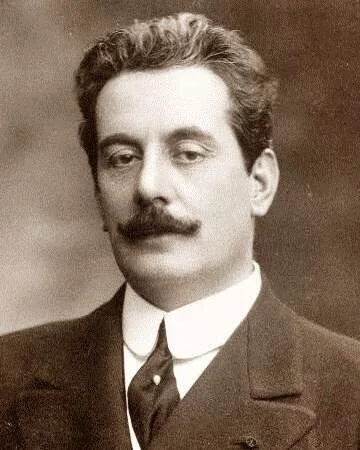
On April 25, 1926, the world of opera witnessed a significant milestone with the premiere of Giacomo Puccini's final opera, Turandot, at La Scala in Milan. This work, steeped in the mystique of the East, showcased Puccini’s genius in weaving rich, melodic lines with grand orchestral textures. Although the opera's premiere did not feature the complete score, it was nonetheless a defining moment in the world of classical music, introducing audiences to one of the most theatrical and enigmatic heroines in operatic history.
Puccini, who began working on Turandot in 1920, was inspired by the play of the same name by Carlos Gozzi. The opera tells the tale of the cold Princess Turandot, who vows never to submit to love. Instead, she challenges suitors to solve three riddles, with dire consequences for any who fail. It is a story of love, ambition, and sacrifice, brilliantly highlighted by Puccini’s lush, cinematic score.
Turandot: The Enigmatic Princess
Turandot, the character, is a complex and formidable figure, embodying both strength and vulnerability. Her cold demeanor masks a deep-seated fear of love and betrayal. As the opera unfolds, audiences witness Turandot’s internal struggle, culminating in the transformative moment when she confronts her humanity. This intricate portrayal has kept audiences captivated for nearly a century.
The Challenges of Completing Turandot
Despite Puccini’s considerable talent, he did not finish Turandot before he passed away in 1924. This unfortunate circumstance led to composer Franco Alfano completing the opera using Puccini's sketches and notes. Alfano's contribution became the subject of much discussion, as audiences and critics speculated about how much of the final act faithfully represented Puccini's original intent.
A Lasting Legacy: The Impact of Turandot
Since its premiere, Turandot has become a cornerstone of the operatic repertoire, celebrated for its magnificent arias, particularly "Nessun dorma", which has entered the realm of popular culture. The opera's themes of love, courage, and redemption resonate deeply with audiences, allowing it to remain relevant through changing times.
Turandot's Cultural Influence
Beyond the opera house, Turandot has left an indelible mark on various art forms, inspiring films, ballets, and adaptations across the globe. Its captivating narrative and emotional depth continue to spark creativity, reminding us of the power of storytelling through music.
The Future of Turandot
As we look ahead, Turandot is likely to maintain its status as a popular and essential work in the operatic canon. Modern interpretations and productions continue to explore and reinterpret the themes and characters, breathing new life into Puccini’s final masterwork.
Fun Fact
Turandot’s Bitter Sweet Reveal
Interestingly, during the opera's premiere, the audience reacted so passionately to the grand music and stirring performances that they nearly drowned out the final notes. The first performance gave birth to legend, marking it as one of the most emotionally charged opera debuts.
Additional Resources
Recommended Reading on Turandot
For those interested in delving deeper into the world of Turandot and Puccini’s works, consider reading "Puccini: A Biography" by Mary Jane Phillips-Matz or "The Puccini Companion" edited by William Ashbrook and Edward Selenick. Both works offer valuable insights into the life and legacy of this remarkable composer, enriching the appreciation of his masterful operas.







 Continue with Google