



The Remarkable Discovery of Pompeii
In 1748, the ancient city of Popeii, buried for nearly 1,700 years under volcanic ash from the catastrophic eruption of Mount Vesuvius in 79 AD, was rediscovered by the Spanish engineer Roque Joaquín de Alcubierre. This momentous event not only revealed the remarkably preserved ruins of the city but also ignited interest in archaeology and the preservation of ancient cultures.
Roque Joaquín de Alcubierre and His Mission
Roque Joaquín de Alcubierre was tasked by King Charles III of Spain to explore the area around Vesuvius. While initially searching for buried treasures, Alcubierre's efforts led him to the remains of a forgotten city. His careful excavation unearthed unspoiled buildings, artifacts, and intricate frescoes, providing a unique window into the daily lives of the ancient Romans.
The Impact of the Rediscovery of Pompeii
The excavations conducted by Alcubierre opened the floodgates to further archaeological endeavors, not just at Pompeii but throughout Italy and beyond. The revelation of well-preserved mosaics, pottery, and frescoes transformed perceptions of the Roman Empire and its cultural legacy, leading to a renewed interest in classical studies across Europe.
The Archaeological Significance of Pompeii
The significance of Pompeii lies in its state of preservation, allowing historians and archaeologists to gain invaluable insights into Roman urban planning, art, and daily life. The city's ruins depicted aspects of Roman civilization that had remained largely unknown before its rediscovery, capturing the intricacies and sophistication of ancient society.
Life in Pompeii Revealed
Excavations revealed homes, shops, and public buildings, each telling stories of their former inhabitants. The everyday items found, from cooking utensils to tools, help paint a vivid picture of what life was like in a bustling Roman city before the eruption. As each layer of ash was carefully removed, it gave birth to a time capsule of a culture that had profoundly influenced Western civilization.
The Art and Architecture of Pompeii
Pompeii boasts some of the finest examples of Roman art and architecture. The vibrant frescoes that adorned the walls of wealthy homes depict mythological scenes and daily activities; they have become standards of classical art study. The intricate designs and methods reflected an advanced understanding of aesthetics and composition, informing art movements for centuries to come.
Fun Fact
Pompeii’s Covered Town
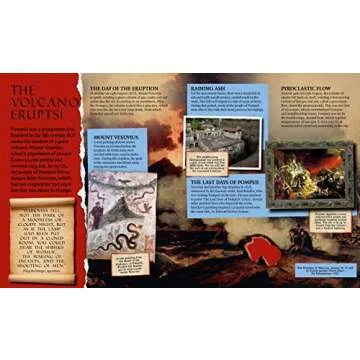
Interesting enough, the eruption of Vesuvius in 79 AD was so intense that it not only buried Pompeii under several meters of ash but also preserved it for future generations, allowing for extensive study of an entire Roman town that time forgot.
Additional Resources
Recommended Reading on Pompeii
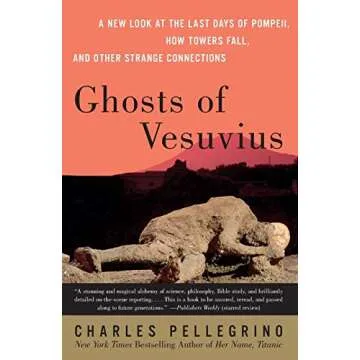
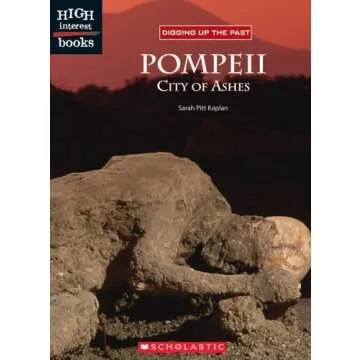
To further explore the rich history and impact of the ruins of Pompeii, consider reading “Pompeii: The Life of a Roman Town” by Mary Beard and “The Shadow of Vesuvius: A Life of Pliny” by Anthony Everitt. These texts provide deeper insights into the city’s culture and the influence of its rediscovery.







 Continue with Google