


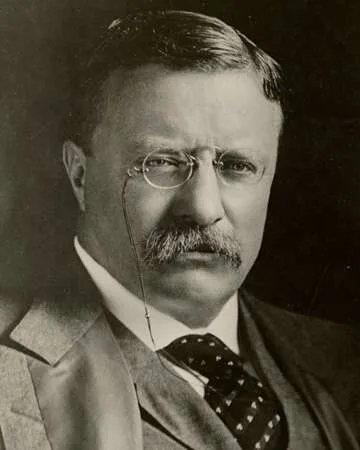
The Significance of Theodore Roosevelt's Decision
The Date that Changed History
In 1901, Theodore Roosevelt made a pivotal decision to rename the "Executive Mansion" to the iconic name we know today: The White House. This change marked not just a shift in nomenclature, but it encapsulated a growing sense of identity and permanence for the seat of the Executive Branch of the United States.
The Context of the Renaming
Prior to Roosevelt's change, the residence was known as the Executive Mansion since its inception. Roosevelt, however, sought a name reflecting its grandiosity and significance, symbolizing a house of the people and the nation. The White House subsequently became a symbol of American governance.
The Lasting Impact of the New Name
The White House as a Global Icon
By renaming the Executive Mansion to The White House, Roosevelt unintentionally set the stage for its evolution into an internationally recognized symbol of the United States. The name not only refers to the physical residence but also embodies the ideals of democracy and freedom that the country represents.
The Legacy of Theodore Roosevelt
Roosevelt's influence extended beyond just the name. As a progressive leader, he left an indelible mark on American politics and society. His tenure was characterized by major reforms and a vigorous approach to both domestic and foreign policy, making the White House a hub of activity.
Fun Fact
Why is it Called The White House?
Interestingly, the mansion was originally called "The President's House," but it became known as The White House due to its distinctive white sandstone exterior and the white paint that has been used since its completion.
Additional Resources
Recommended Reading on Theodore Roosevelt
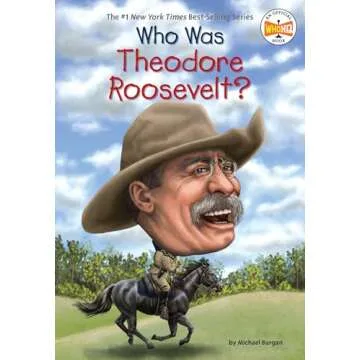
To explore more about Theodore Roosevelt and his era, consider reading The Rise of Theodore Roosevelt by Edmund Morris, which chronicles the life of this influential leader.










 Continue with Google