


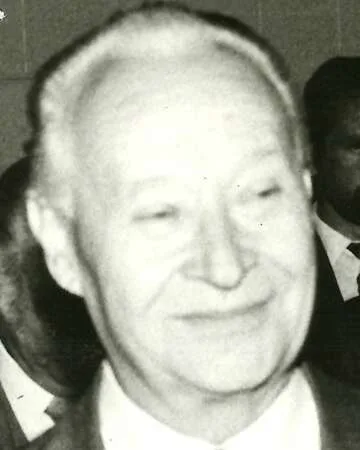
The Circumstances Leading to Alexander Dubček's Resignation
In the year 1969, a significant upheaval took place in Czechoslovakia that marked an important chapter in the history of the country's politics. Alexander Dubček, who was known for his liberal reform policies during the Prague Spring of 1968, faced intense pressure following the Soviet-led invasion that halted those reforms. His efforts to create ‘Socialism with a human face’ ignited a spark of hope among Czechoslovaks, but the harsh realities of political pressure soon extinguished his aspirations.
Alexander Dubček's Vision for Czechoslovakia
Dubček became the first secretary of the Communist Party of Czechoslovakia in 1968, initiating a series of reforms aimed at expanding political freedoms and improving the standard of living. However, his progressive agenda was met with fierce opposition from Soviet authorities, leading to a fateful invasion by Warsaw Pact troops in August 1968.
The Aftermath of the Prague Spring
Following the invasion, Dubček's influence and power within the Communist Party were severely curtailed. The reality of Soviet dominance made it increasingly difficult for him to implement any of the reforms he had envisioned. By 1969, discontent within the Party and from Moscow became overwhelming.
The Forced Resignation of Alexander Dubček
As resistance to Dubček's leadership grew, he was forced to resign in April 1969. This pivotal moment not only marked the end of the brief liberalization but also showcased the continuing struggle of Czechoslovakia under oppressive Soviet control.
Political Pressure from the Soviet Union
The Soviet Union’s reaction to Dubček's policies was one of disapproval, leading to increased demands for his resignation. This pressure culminated in the new Czechoslovak leadership that replaced him, which adhered strictly to Communist orthodoxy.
The Legacy of Dubček's Resignation
Dubček's resignation was symbolic of the broader suppression of political freedom in Eastern Europe during the Cold War. His efforts, although ultimately unsuccessful, inspired future generations to strive for democratic governance and reform.
Fun Fact
Alexander Dubček's Interesting Fact
Even after his resignation, Dubček remained a beloved figure among many Czechoslovaks. He eventually returned to political life during the peaceful Velvet Revolution of 1989, symbolizing hope and resilience in the face of oppression.
Additional Resources
Recommended Reading on Alexander Dubček
For those interested in delving deeper into the life of Alexander Dubček and the events surrounding his resignation, consider reading "The Prague Spring: A Memoir" by Alexander Dubček himself, or "Czechoslovakia: The Velvet Revolution and Its Aftermath" for a broader context of this important historical period.





 Continue with Google