


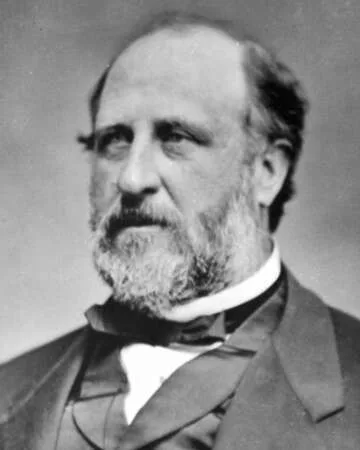
The Life of Boss Tweed: A Political Powerhouse
William Magear Tweed, better known as Boss Tweed, was an infamous American politician who played a significant role in New York City’s political landscape during the mid-19th century. Born on April 3, 1823, in New York City, Tweed rose from humble beginnings to become one of the most powerful figures in the Democratic Party, leading the Tammany Hall political machine. His reign, however, was marked by widespread corruption and fraud.
Boss Tweed’s Political Career
Tweed began his political career in the 1840s, working as a volunteer firefighter and aligning himself with the Democratic Party. His charm and strategic thinking quickly won him favor, and in 1851, he was elected to the New York City Board of Supervisors. As his career progressed, Tweed became a crucial player in Tammany Hall, a Democratic political organization that wielded tremendous influence over the city's politics.
The Tammany Hall Machine and Corruption
Under Tweed's leadership, Tammany Hall became synonymous with corruption. He orchestrated a scheme that siphoned off millions of dollars from the city’s coffers through inflated contracts, kickbacks, and fraudulent billing. Despite the blatant dishonesty, Tweed managed to maintain significant public support by providing social services and jobs to constituents, which kept him in power for years.
The Downfall of Boss Tweed
By the early 1870s, the tide was turning against Tweed. Investigative journalism, particularly that by Thomas Nast, an influential political cartoonist, exposed his corrupt practices to the public. Nast’s illustrations depicted Tweed and his associates in unflattering ways that stoked public outrage.
The Legal Consequences for Boss Tweed
In 1871, amid growing pressure, Tweed was arrested and charged with corruption and fraud. His trial revealed the depth of the corruption he had employed, resulting in significant political backlash. In 1872, he was convicted and sentenced to prison, where he would spend time before eventually escaping.
The End of an Era
After his escape, Tweed fled to Spain, but he was captured in 1876 and returned to the United States to serve his remaining sentence. He died in prison on April 12, 1878, marking the end of an era defined by corruption in American politics.
Fun Fact
Boss Tweed's Political Influence
Despite his notorious reputation, it's interesting to note that Boss Tweed was also known for some philanthropic efforts during his time, often funding public projects to improve the city, surviving on a complex balance between public service and corruption.
Additional Resources
Recommended Reading on Boss Tweed
For those interested in learning more, consider reading "The Rise and Fall of Boss Tweed" by Charles D. Morris or "Tweed’s New Yorkers: The Politics of Race, Crime, and Corruption in the Gilded Age" by Robert L. Harris Jr., both of which provide in-depth insights into the life and legacy of this controversial figure.













 Continue with Google