


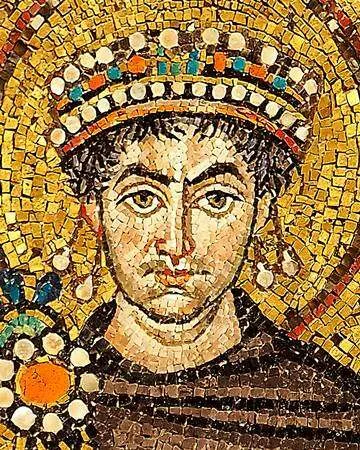
The Ascension of Justinian I as Co-Ruler
In the year 527, a significant event unfolded in the Byzantine Empire that would shape its future for decades to come. Emperor Justin I elevated his nephew, Justinian I, to the position of co-ruler, effectively naming him as his successor. This act was pivotal not only for the power dynamics within the court but also for the legacy of the Byzantine Empire itself.
This partnership marked the beginning of a transformative era. Justinian was born in 482 in Tauresium (present-day North Macedonia) and grew up admiring Roman legal traditions and governance. He had shown remarkable prowess in administrative roles, and his uncle recognized the potential for greatness. As co-emperor, Justinian would eventually hold sway over vital decisions shaping the empire's trajectories.
The Vision of Prince Justinian
Justinian's ambition was not born of mere desire for power; he envisioned a revitalized Roman Empire. While initially a co-emperor, it wasn't long before he would assume full control. His reign saw significant achievements in legal reforms, military conquests, and the flourishing of arts and culture. Justinian aimed to restore Rome’s former glory, embarking on an extensive campaign to reclaim lost territories.
The Role of Justin I in Justinian’s Rise
Emperor Justin I’s decision to appoint his nephew as a co-ruler was based on the need for a capable successor. Justin was an illiterate soldier who rose through the ranks, and his reign faced numerous challenges, including internal strife and external threats. By bringing Justinian into the fold, he established a strong leadership base for the empire’s future.
The Challenges Ahead for Justinian I
The elevation of Justinian I was only the first step in a tumultuous journey filled with challenges. Justinian faced issues ranging from economic instability to societal divides. However, with his keen understanding of law and governance, he set forth ambitious reforms that would bolster the empire’s strength.
Justinian’s Legal Reforms
One of Justinian’s most enduring legacies is his remarkable legal reform known as the Corpus Juris Civilis, or the Body of Civil Law. This compilation not only codified existing Roman laws but also refined them, laying the foundation for many legal systems in the Western world. It aimed to make the law more accessible and systematic, reflecting Justinian's vision of a just society.
Challenges on the Battlefield
While Justinian focused on governance, his reign was also marked by significant military campaigns aimed at reclaiming lost territories. His ambitious military ventures, including the reconquest of parts of North Africa and Italy, showcased his desire to restore the Roman Empire to its former dominance. Despite early successes, these campaigns would later stretch resources thin and present numerous logistical challenges.
Fun Fact
Justinian’s Interest in Architecture
Aside from military and legal achievements, Justinian I is also credited with a monumental architectural endeavor, the Hagia Sophia in Constantinople. This iconic structure, completed in 537, showcases the height of Byzantine architecture and remains one of the world’s greatest cathedrals to this day.
Additional Resources
Recommended Reading on Justinian I
For those interested in exploring further, consider reading The Secret History by Procopius, which provides a detailed account of Justinian's reign from a contemporary's perspective. Additionally, Justinian's Flea by William Rosen offers insight into the era’s complexities, including social dynamics and health crises.













 Continue with Google