


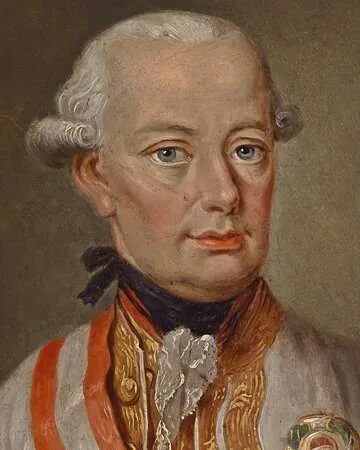
Understanding the Birth of Leopold II
Born on May 5, 1747, in the vibrant city of Vienna, Austria, Leopold II would go on to become an influential figure in European history. As the Grand Duke of Tuscany from 1765 to 1790 and later as the Holy Roman Emperor from 1790 until his death in 1792, he played a pivotal role in the political landscape of the time. His reign marked a period of both cultural enrichment and significant political challenges for the territories he governed.
Leopold II: Early Life and Education
Leopold was the second son of the Holy Roman Emperor Francis I and Maria Theresa, an enlightened ruler who emphasized education and culture. Growing up in the palatial beauty of Vienna, Leopold received a comprehensive education, which shaped him into a thoughtful and pragmatic leader. Under the guidance of his mother, he embraced the ideals of the Enlightenment, becoming an advocate for reform and modernization within his territories.
Leopold II: The Grand Duke of Tuscany
His governance in Tuscany is particularly noteworthy for implementing progressive reforms, including reforms in agriculture and administration that improved the lives of his subjects. Through his enlightened policies, he aimed to balance the interests of the nobility with the needs of common people, fostering a sense of unity in the region.
The Transition to Holy Roman Emperor
Leopold II assumed the title of Holy Roman Emperor in 1790 after the death of his brother, Joseph II. His ascent marked a critical point in the empire's history as he sought to strengthen his empire amidst revolutionary sentiments brewing throughout Europe.
Strategies as Holy Roman Emperor
Upon becoming Emperor, Leopold aimed to restore stability and consolidate power. He enacted several reforms and sought peace, particularly striving to improve relations with various factions within the empire including the rising revolutionary pressures. His balanced approach earned him respect, though his reign was short-lived.
The Legacy of Leopold II
Leopold II's influence extended beyond his reign due to his progressive vision that shaped future leaders. His reign is often remembered for its attempt to bring modern governance to traditional European structures, leaving a legacy of both challenges and advancements that would echo through history.
Fun Fact
Leopold II's Unique Perspective
Leopold was known for his dual interests in both the arts and sciences, which influenced his policies as a ruler. His appreciation for culture led to several art commissions that enhanced Tuscany's cultural landscape.
Additional Resources
Recommended Reading on Leopold II
For those interested in delving deeper into the life and policies of Leopold II, consider reading "Leopold II: A Life of Enlightened Reform" and "The Habsburg Empire: A New History". These works provide a comprehensive overview of his impact and contributions to European history.



 Continue with Google