


Understanding Executive Order 9835
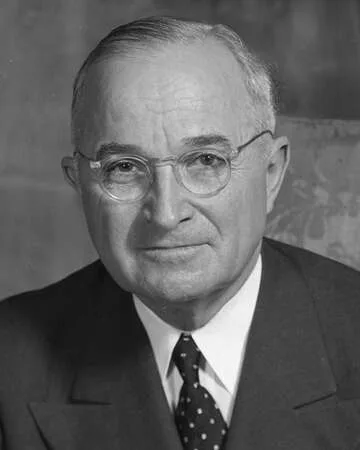
On March 21, 1947, U.S. President Harry Truman signed Executive Order 9835, a pivotal moment in American history that reshaped federal employment and loyalty expectations. This order mandated that all federal employees must demonstrate "complete and unswerving loyalty to the United States." At the peak of the early Cold War, Truman aimed to fortify the federal government against perceived internal threats amid growing fears of communism infiltrating American institutions.
Harry Truman and the Context of Executive Order 9835
Harry Truman, who became President after Franklin D. Roosevelt's death in 1945, faced significant challenges, including the onset of the Cold War. His administration was marked by a strong anti-communist sentiment as tensions escalated between the United States and the Soviet Union. With allegations of communist influences among government employees and in various sectors of society, Truman's Executive Order sought to reassure the public and restore faith in the integrity of the federal workforce.
The Provisions of Executive Order 9835
Under this executive order, federal agencies were instructed to establish loyalty review boards to investigate the background and loyalty of employees. This order not only mandated investigations into past activities but also required employees to pledge their loyalty explicitly. Such measures positioned the government as a protector of national security, yet also paved the way for controversy and widespread scrutiny of federal employees.
The Impact and Legacy of Executive Order 9835
The effects of Executive Order 9835 extended beyond its immediate implementation, influencing the political climate and civil liberties in the United States for decades. This order contributed to the broader Red Scare atmosphere, where suspicion and paranoia often overshadowed constitutional protections. Thousands of federal employees were subjected to loyalty investigations, and many lost their jobs due to associations or beliefs that were deemed questionable.
Civil Liberties and Controversy
While intended to strengthen national security, Executive Order 9835 ignited significant debates regarding civil liberties. Critics argued that the loyalty oaths and investigations were tools for political repression, creating an environment rife with fear. Many individuals who were viewed as dissidents or expressed controversial opinions found themselves under scrutiny as a result of this order, leading to significant discussions about the balance between security and freedom in a democratic society.
The Evolution of Loyalty in Government
Executive Order 9835 set a precedent for how loyalty would be measured in the federal workforce. It fostered a culture where dissent was often equated with disloyalty. This has had lasting implications for how future administrations approached loyalty, and it led to the establishment of further loyalty programs and investigations into governmental positions, especially during the height of McCarthyism in the 1950s.
Fun Fact
Did You Know About Truman’s Unlikely Path to Executive Order 9835?
Before becoming Vice President and later President, Harry Truman was a Senator with no formal education and came from humble beginnings, showcasing a remarkable journey from obscurity to one of the most powerful positions in the world. His experiences shaped the decisions he made, including those like Executive Order 9835.
Additional Resources
Recommended Reading on Executive Order 9835
For those wanting to learn more about the implications and historical context of Executive Order 9835, consider reading "The Cold War: A New History" by John Lewis Gaddis, which provides an overview of the era, or "Loyalty in America: A History of Military and Defense Loyalty Programs" by Michael A. D’Antonio for a deeper understanding of loyalty policies in governmental contexts.








 Continue with Google