


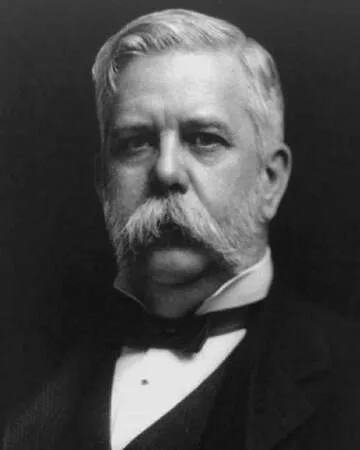
The Innovative Leap: Steam Brakes in 1869
The invention of the steam brake in 1869 by American engineer George Westinghouse marked a transformative moment in the world of railway transport. Before this invention, trains relied heavily on manual brakes, which were not only inefficient but also posed significant safety risks. Westinghouse’s steam brake addressed these flaws, leading to greater reliability and safety for the burgeoning railway industry.
George Westinghouse's Vision
George Westinghouse, born on October 6, 1846, in Central Bridge, New York, was a forward-thinking inventor and entrepreneur. He recognized the challenges posed by the limitations of traditional braking systems. His innovative spirit led him to experiment with steam power to develop a brake system that could effectively slow down trains, even under heavy loads, improving the overall safety of train travel.
Revolutionizing Train Safety with the Steam Brake
The steam brake employed a clever mechanism that utilized steam pressure to activate brakes on all cars of a train simultaneously. This was in stark contrast to the manual handbrakes, where a single operator was responsible for each car's brake. The introduction of this system not only revolutionized train operations but also laid the groundwork for future innovations in braking technologies, making it a cornerstone of railway safety reforms.
The Impact of George Westinghouse's Steam Brake
The invention of the steam brake led to a ripple effect in the railway industry, influencing other inventors and engineers to seek similar advancements in technology. By standardizing the braking system across trains, Westinghouse effectively modified the safety dynamics in railway transport.
Steam Brake's Influence on Railway Standards
Following its patent in 1869, the steam brake became widely adopted by railway companies throughout the United States and beyond. It set a new standard for train safety, significantly reducing accidents due to brake failures. This widespread implementation of steam brakes contributed to the growth of the railway system, facilitating quicker and safer transport of goods and passengers.
Westinghouse's Legacy beyond the Steam Brake
While the steam brake was a notable achievement, George Westinghouse's contributions did not end there. He continued to innovate in the fields of alternating current electrical systems and air brakes, further solidifying his legacy as a pioneer of modern engineering. His inventions not only advanced transportation but also impacted various industries, earning him a place among America’s most influential inventors.
Fun Fact
The Unique Early Design of the Steam Brake
Interestingly, George Westinghouse’s original steam brake design was so revolutionary that it received serious attention and criticism from contemporary engineers and transit authorities who were skeptical about steam-powered technology in heavy machinery. Yet, he persevered, and his inventions proved the doubters wrong!
Additional Resources
Recommended Reading on George Westinghouse
For those interested in learning more about George Westinghouse and his contributions to engineering, consider reading "George Westinghouse: A Biography" and "The Man Who Invented the Electric Light: Thomas Edison vs. George Westinghouse". These works offer a deeper insight into his life and the impact of his inventions on American industry.










 Continue with Google