



The Shocking Theft of Charlie Chaplin's Coffin
On December 31, 1977, the world lost a cinematic giant: Charlie Chaplin, the iconic actor and filmmaker known for his poignant and comedic representations of humanity. His passing marked the end of an era, but just a few months later, his legacy would be thrust into the limelight in a most unexpected way. In March 1978, his coffin, along with his remains, was stolen in a bizarre extortion plot that shocked both fans and authorities alike.
The Great Actor's Resting Place
Charlie Chaplin was buried in the village of Corsier-sur-Vevey, Switzerland. His final resting place was quite serene, reflecting the film star's desire for a peaceful existence away from the public eye. However, on the night of March 1, 1978, his grave would become the scene of a crime unlike any other that had gripped the world of film and fans of the legendary comedian.
The Extortion Plot Unfolds
The theft was carried out by two men who sought to exploit the situation for financial gain. They removed Chaplin's coffin from its grave and then contacted his family, demanding a ransom of 600,000 Swiss francs. This audacious act not only devastated Chaplin's family but also raised serious questions about the security of cemeteries worldwide and the lengths people would go to for money.
The Investigation and Recovery of the Remains
The authorities wasted no time in launching an investigation into this unprecedented crime. The Swiss police, with the assistance of local authorities, worked tirelessly to track down the culprits. Just weeks after the theft, in May 1978, the police made significant breakthroughs in the case.
The Arrest of the Perpetrators
In a twist of fate, one of the thieves, a Polish mechanic, was arrested after he attempted to extort the Chaplin family further. His accomplice was also caught, and the stolen coffin was recovered in the process. The recovery brought a sense of relief among Chaplin’s family and fans, but the grave had been disturbed, and the respect due to the deceased was compromised.
The Ultimate Restitution
After the recovery, Charlie Chaplin's remains were reburied in a more secure location within the Corsier-sur-Vevey cemetery. A concrete grave was constructed to deter any future attempts at theft or disturbance. This incident not only highlighted the fragility of resting places for celebrities but also tested the resilience of Chaplin’s legacy amidst chaos.
Reflection on Charlie Chaplin’s Impact
The theft of Charlie Chaplin's coffin remains an extraordinary chapter in the annals of film history. It serves as a reminder of the profound impact Chaplin had on cinema and culture at large; his ability to evoke emotion transcended his physical presence. Even decades after his death, people were willing to go to extreme lengths to be connected to his legacy.
Charlie Chaplin: The Icon
Despite the bizarre event surrounding his passing, Chaplin’s influence endures through his films, characters, and the values he portrayed. Known for his iconic character, the Little Tramp, and masterpieces like City Lights and The Great Dictator, Chaplin forged a path for future filmmakers and comedians alike.
Lessons Learned from the Heist
Ultimately, this incident shed light on the necessity of proper security measures in cemeteries and the way society treats the resting places of its cultural icons. Indeed, the struggle of Chaplin's heirs to protect their loved one and his enduring legacy resonates in conversations about celebrity status and respect for the deceased.
A Fun Fact About Charlie Chaplin
The Master of Silence
This remarkable figure had a deep appreciation for the art of silence. Chaplin believed that comedy was often best expressed without words, which is why many of his films are timeless classics, relying on physical comedy and visual storytelling to evoke laughter and thought.
Additional Resources
Recommended Reading on Charlie Chaplin
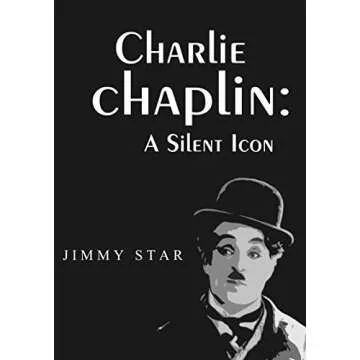
For those eager to dive deeper into the life and legacy of Charlie Chaplin, here are a few must-read titles: "Charlie Chaplin: The Biography" by David Robinson, and "Chaplin: A Life" by David Robinson. Both offer insightful perspectives into the life of one of cinema’s greatest icons.










 Continue with Google