


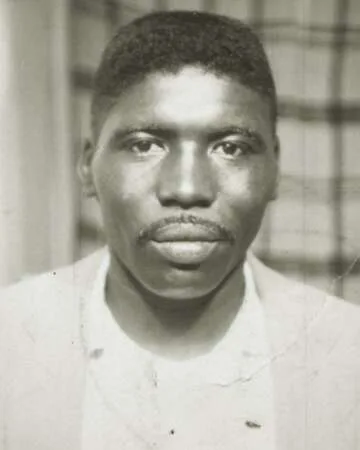
The Events Leading to Jimmie Lee Jackson's Death
On February 18, 1965, a tragic event unfolded in Marion, Alabama, that would become a pivotal moment in the civil rights movement. During a peaceful march advocating for voting rights, a group of African American demonstrators, including church deacon Jimmie Lee Jackson, faced violent opposition from law enforcement. This brutal confrontation saw Jackson beaten and shot by a state trooper while trying to protect his elderly grandfather from the ensuing chaos.
Jimmie Lee Jackson: A Dedicated Deacon
Jimmie Lee Jackson was more than just a participant in the civil rights struggle; he was a beloved community figure and a church deacon. His commitment to social justice mirrored the efforts of many African Americans during the civil rights movement, as they sought to combat systemic racism and secure their right to vote. Tragically, Jackson’s dedication to these principles would ultimately cost him his life.
The Aftermath of Violence in Marion
The brutal attack on Jackson didn't just end with his injuries; he succumbed to his wounds eight days later, on February 26, 1965. His death sparked outrage and mourning within the community and beyond. In the wake of this tragic loss, activists rallied together, motivated by the need for justice and the pursuit of civil rights, leading to significant developments throughout Alabama.
Impact and Legacy of Jackson’s Death
Jimmie Lee Jackson's death served as a catalyst, igniting the momentum for the historic Selma to Montgomery marches that followed. Between March 7 and March 21, thousands marched to demand voting rights, bringing national attention to the civil rights movement and the need for reform in America.
Selma to Montgomery: A Movement for Change
The Selma to Montgomery marches were a critical event that highlighted both the challenges faced by civil rights activists and the resilience of their efforts. Through a series of marches, which included the well-known Bloody Sunday incident where marchers were violently confronted by law enforcement, the protestors aimed to showcase the urgent need for voting rights for African Americans. These events played a crucial role in the eventual passage of the Voting Rights Act of 1965.
Jimmie Lee Jackson as a Symbol of Struggle
Even today, Jimmie Lee Jackson is remembered not just for his tragic death, but as a symbol of the struggle for civil rights. His commitment and sacrifice inspired many to join the fight for justice, ensuring that his legacy continues to resonate within the ongoing battle for equality.
Fun Fact about Jimmie Lee Jackson
A Lasting Impact on Civil Rights
Interestingly, Jackson's death is often recognized as a significant turning point that contributed to the eventual enactment of the Voting Rights Act of 1965, a landmark piece of legislation that aimed to eliminate barriers to voting for African Americans.
Additional Resources
Recommended Reading on Jimmie Lee Jackson
For further exploration of Jimmie Lee Jackson's life and the movements he influenced, consider reading "The Selma Awakening: How the Civil Rights Movement Tested and Changed America" by Danielle L. McGuire, which provides a detailed account of the events leading up to his death and the broader impact on civil rights.






 Continue with Google