


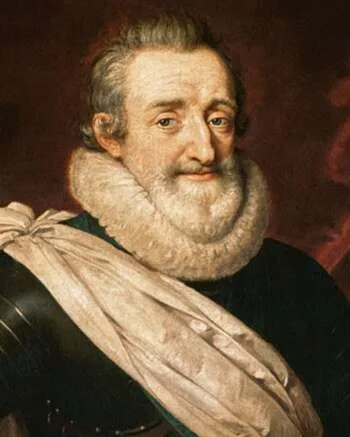
The Historic Wedding of Henry IV and Margaret of Valois
On August 18, 1572, in a lavish ceremony held at the magnificent Notre Dame Cathedral in Paris, **Henry of Navarre**, who would later become known as **Henry IV of France**, wed **Margaret of Valois**. This union was not merely a romantic entanglement; it was a calculated political maneuver aimed at achieving a fragile peace in a nation torn apart by religious strife. At the time, **France** was embroiled in the fierce conflict known as the French Wars of Religion, which pitted Catholics against Protestants (Huguenots). The wedding would bring together two opposing sides in an effort to foster reconciliation.
However, this hopeful alliance quickly turned into a deadly predicament. Just days after the wedding, on August 24, the infamous St. Bartholomew's Day Massacre erupted, leading to the murder of thousands of Protestants in Paris and throughout France. This event highlighted the deep-seated animosities that existed and foreshadowed the challenges of their union, leading to a turbulent reign filled with conflict and political intrigue.
Henry of Navarre: The Future King
Born in 1553, **Henry of Navarre** emerged as a key figure in the Huguenot cause. His battles against the powerful Catholic factions laid the groundwork for his paths to the French throne. His marriage to Margaret was politically motivated, yet it also marked the beginning of his personal and political transformation, as he ultimately converted to Catholicism to secure his power as king, famously stating, "Paris is worth a Mass."
Margaret of Valois: The Hedge of Reconciliation
Margaret, born in 1553 as the daughter of King Henry II of France and Catherine de' Medici, was strategically placed to serve as the bridge between warring factions. Although the marriage was initially seen as a way to ensure peace, it placed her in an unimaginable position of having to navigate the deadly landscapes of loyalty and betrayal that defined her era.
The Aftermath of the Union
Following the shocking events of the St. Bartholomew's Day Massacre, the political landscape shifted dramatically. The marriage of Henry and Margaret, which was meant to symbolize unity, had instead ignited an avalanche of violence, leading to a further entrenchment of the divide between Catholics and Protestants.
The Downfall of the Wedding’s Purpose
The aftermath of the wedding not only stained the reputation of the crown but also solidified the resolve of both sides in the ongoing civil wars. Henry's eventual ascension to the throne in 1589 marked the start of a new chapter for France, one that sought to rebuild from the ashes of conflict.
Margaret’s Struggles After the Wedding
Margaret faced a life filled with betrayal and strife during and after her marriage. She became a symbol of the period's political strife and would spend years navigating her husband’s public image and her struggles against the forces of fortune.
Fun Fact
Margaret of Valois’s Interesting Fact
Despite the tumult of her marriage, **Margaret of Valois** was a talented writer and became known for her strong will and intelligence. Her memoirs offer a fascinating glimpse into the turbulent times of the French monarchy.
Additional Resources
Recommended Reading on Henry IV of France
For those interested in delving deeper into the life of **Henry IV of France**, consider reading The Prince of the Marshes by **Patrick Rance** or Henry IV: A Life by **Mark Strage** to explore the complexities of his reign amidst religious turmoil.













 Continue with Google