


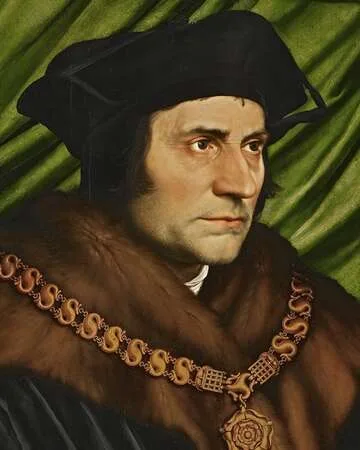
The Imprisonment of Thomas More
In 1534, Thomas More, a prominent lawyer and statesman, was confined to the Tower of London after refusing to endorse King Henry VIII's break from the Catholic Church. This historical event marked a pivotal moment in the English Reformation and the struggle between monarchy and religious authority.
More's Stand Against the Crown
Thomas More was a devout Catholic and served as the Lord Chancellor of England. His deep-seated beliefs led him to oppose the King’s decisions, particularly the Act of Supremacy that recognized Henry as the Supreme Head of the Church of England. By refusing to take the oath mandated by the Act, More demonstrated his steadfast principles and unwillingness to compromise his faith for political gain.
Conditions in the Tower
During his imprisonment, More endured harsh conditions but maintained his dignity and composure. The Tower of London, often a symbol of oppression, served as both a prison and a significant historical site. More’s writings during this time showcased his intellect and deep reflections on faith, morality, and governance.
The Legacy of Thomas More
Thomas More’s refusal to comply with the King’s demands ultimately led to his execution in 1535. His steadfastness in the face of tyranny has made him a martyr for many who value conscience over compliance.
More's Martyrdom
On July 6, 1535, More was beheaded, solidifying his place in history as a martyr and symbol of resistance against oppressive rule. His writings and his ultimate sacrifice inspired many future generations to stand up for their convictions, making him a towering figure in the history of religious and philosophical thought.
Impact on the Church and Society
The implications of More’s imprisonment and subsequent execution reverberated through both the English Church and society at large, stirring debates about the role of faith and the authority of the monarchy. More's principles sparked discussions that influenced the development of democracy and human rights in the centuries that followed.
Fun Fact
Thomas More’s Ingenious Creativity
Thomas More is also known for his literary contributions, particularly his book Utopia, which presents an ideal society based on reason and egalitarianism. This work has influenced political theory and literature throughout the ages.
Additional Resources
Recommended Reading on Thomas More
For those interested in learning more about Thomas More, consider reading A Man for All Seasons by Robert Bolt, which dramatizes More's life, and Utopia, his insightful philosophical work.








 Continue with Google