


The Reopening of the UK Embassy in Somalia
On July 9, 2013, the United Kingdom made a significant diplomatic move by reopening its embassy in Somalia after a remarkable hiatus of 22 years. This event marked a renewed commitment to engage with the Somali people and support their efforts towards achieving stability and development.
The UK’s decision to reopen the embassy was a response to the improving security situation in Somalia, especially in the capital, Mogadishu. The UK government recognized that Somalia was at a pivotal point in its history and needed international support.
The History of UK-Somalia Relations
The relationship between the UK and Somalia has deep historical roots, influenced by various political and social contexts since Somalia's independence in 1960. However, armed conflict, particularly during the Somali Civil War that escalated in the early 1990s, forced the UK to close its embassy in 1991 as the situation in the country deteriorated.
Implications of the Embassy Reopening
The reopening of the embassy signified more than just diplomatic engagement; it represented a potential path for increased humanitarian aid, trade, and investment opportunities. Additionally, it opened doors for the UK to play a role in assisting Somalia's development, promoting peace, and aiding in the rebuilding of state institutions.
International Context of the Embassy Reopening
The closure and subsequent reopening of the UK embassy also reflects broader international efforts to restore peace in Somalia. Other countries had previously reopened embassies, indicating a global acknowledgment that Somalia was turning a page in its tumultuous history.
International Support for Somalia
The UK’s renewed diplomatic presence aligned with the growing international community's interest in aiding Somalia's recovery. This initiative was part of a larger strategy aimed at fostering a stable government and tackling the threats posed by groups like Al-Shabaab.
Public Reception in Somalia
For many Somalis, the embassy's reopening was a hopeful indicator that the international community was committed to their country's future. This sentiment was reflected in public statements and media coverage that emphasized a new chapter of confidence and cooperation.
Fun Fact
A Notable Visit
Shortly after the embassy's reopening, in 2014, UK Foreign Secretary William Hague became one of the first high-ranking officials to visit Somalia, further solidifying the renewed relationship between the two nations.
Additional Resources
Recommended Reading on UK-Somalia Relations
For those interested in exploring further, consider books like "The Great Somalia Swindle" by Abdi Ismail Samatar and "Somalia: A New Approach" by Timothy J. O'Brien, which provide in-depth perspectives on Somalia’s complex history and the roles of international actors.
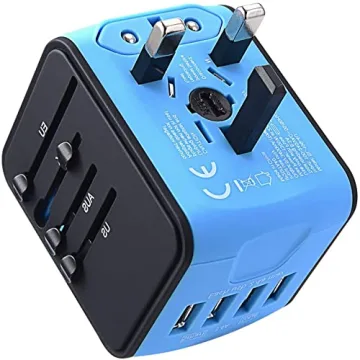
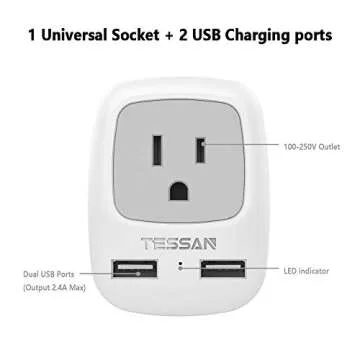
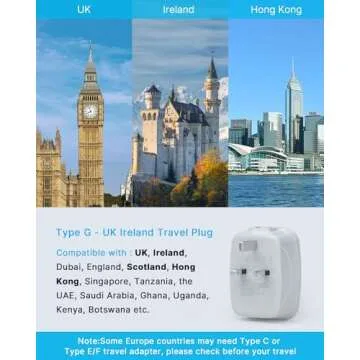
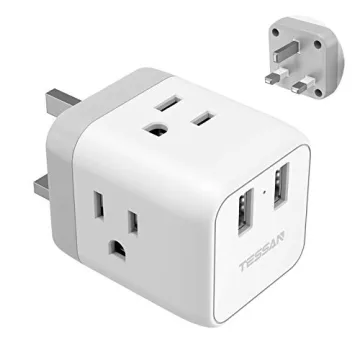
![[2 Pack] US to UK Travel Plug Adapter, Type G Power Adapter with 3 AC and 3 USB(2 USB C), Internatio...](https://assets.giftpals.com/assets/uc/Gift/8LuuNakTMne8/1/thumbnail_default_1.webp?ePqLtNUfyOD0)
![[2-Pack] UK Ireland Travel Plug Adapter, VINTAR International Power Adaptor with 2 USB, 4 in 1 Outle...](https://assets.giftpals.com/assets/uc/Gift/mmARG80YvFls/1/thumbnail_default_1.webp?Wdf9l6pAcvJ8)



 Continue with Google