


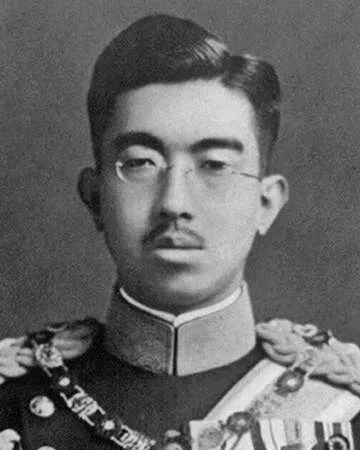
The Context Behind the Call to Condemn Emperor Hirohito
In 1950, a significant moment emerged in the unfolding geopolitical landscape post-World War II, when the USSR demanded the global community to condemn Emperor Hirohito for his role in the war crimes committed during the conflict. This call was not merely a reaction to historical grievances but also a strategic move by the Soviet Union amidst the rising tensions of the Cold War. Hirohito, as the emperor of Japan, represented a figure of national unity yet was also embroiled in the controversial decisions that led Japan into a devastating war.
Emperor Hirohito: A Complex Legacy
Hirohito reigned from 1926 to 1989, a tumultuous period that witnessed Japan's transformation into a militarized empire. Under his leadership, Japan engaged in aggressive military campaigns across Asia, leading to atrocities such as the Nanjing Massacre and wartime abuses against prisoners of war. This complex legacy makes it difficult to categorize Hirohito solely as a tyrant or a mere figurehead, as he wielded significant influence over military decisions.
USSR’s Position on Hirohito’s Condemnation
The USSR's demand for Hirohito’s condemnation was a part of their broader strategy to diminish Japan's influence and strengthen their own power in Asia. By framing the narrative in terms of justice for war crimes, the Soviets sought to rally political support against former Axis powers while establishing themselves as advocates for peace and accountability on the global stage.
The Reactions and Implications of the Demand
The demand to condemn Hirohito sparked widespread debate among the Allied nations. Many in the West feared that condemning Hirohito could destabilize Japan during its reconstruction phase, which was crucial for containing communism in Asia. This created a tension between the pursuit of historical justice and the practicalities of Cold War politics.
Global Reactions to the USSR's Demand
Response to the USSR's demand was mixed. Some countries supported the call for accountability, while others, especially the United States, preferred to maintain relations with Japan to counter Soviet influence. The diverging opinions illustrated the complex political realities of the time and the nuanced perspective on leadership accountability.
Consequences for Japan and the Cold War
This demand and the surrounding conversations significantly shaped Japan’s post-war identity and rehabilitation. Rather than focusing on Hirohito’s accountability, the emphasis shifted towards rebuilding Japan as a vital ally for Western powers, which inadvertently absolved him from the scrutiny that other war criminals faced during the Nuremberg Trials.
Fun Fact
Hirohito's Symbolic Role
Following the war, Hirohito took on a more symbolic role, becoming a difference in Japan's transformation from a militaristic empire to a peaceful, democratic state, which stands in stark contrast to his previous image as a god-like war leader.
Additional Resources
Recommended Reading on Emperor Hirohito
To gain further insight into this pivotal historical figure, consider reading Emperor Hirohito and Showa Japan by John W. Dower or The Emperor of Japan: Meiji and His World, 1852-1912 by Mark Peattie.





 Continue with Google