


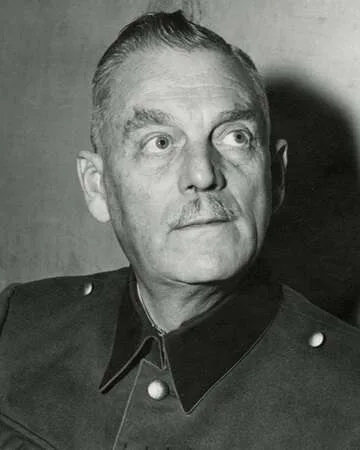
Wilhelm Keitel's Early Life and Military Career
Wilhelm Keitel was born on September 22, 1882, in Helmscherode, a small town within the German Empire. His journey in the military began when he entered the Prussian Army in 1901. Keitel demonstrated a promising military aptitude, rapidly rising through the ranks. By World War I, he held the position of a staff officer, where his strategic thinking started to take shape. Keitel's military experience during the Great War would serve as a crucial foundation for his later roles in the Nazi regime.
Following the war, Keitel continued to serve in the military, rejoining the newly formed Reichswehr and eventually adapting to the changes in the German military landscape during the interwar period. His allegiance to the military and a desire to restore Germany's power made him a fitting figure within the Nazi party as they ascended to power in the early 1930s.
Wilhelm Keitel's Role in Nazi Germany
In 1938, Wilhelm Keitel was appointed as the Chief of the OKW (Oberkommando der Wehrmacht), effectively becoming the top military leader in Nazi Germany. His influence grew as he played a significant role in planning and executing military operations during World War II. Keitel was a close associate of Adolf Hitler, often acting as his trusted military advisor.
The Impact of Keitel's Decisions
Keitel's decisions within the military framework greatly influenced the course of the war, including the planning of significant battles. However, his loyalty to Hitler often clouded his judgment, leading to disastrous military strategies that resulted in immense loss of life. Keitel's fervent dedication to Nazi ideology overshadowed the moral implications of the war's atrocities.
Keitel's Downfall and War Crimes Trial
As the war came to a close in 1945, Keitel found himself on the losing side. Captured by Allied forces, he faced trial at the Nuremberg Trials, where he was charged with war crimes, including planning aggressive wars and overseeing atrocities committed by Nazi forces. The trial was a significant event that highlighted the responsibility military leaders hold for their actions.
Final Judgment for Keitel
In 1946, Wilhelm Keitel was convicted of his crimes and sentenced to death. His execution marked a pivotal moment in history, showcasing the international effort to hold leaders accountable for war crimes. Keitel’s legacy remains controversial, as he is often remembered as a symbol of the military's complicity within the horrifying actions of the Nazi regime.
The Controversial Legacy of Wilhelm Keitel
Even to this day, Wilhelm Keitel's legacy raises important questions about accountability in wartime leadership. His commitment to an ideology that caused immense suffering has left a lasting mark on German history. The complexities of his character and decisions continue to be analyzed by historians and scholars, signifying the ongoing impact of this dark chapter in history.
Fun Fact
The Duality of Keitel
Despite his unwavering loyalty to Hitler and the Nazi regime, some reports indicate that Keitel had private reservations about the decisions made during the war, revealing a complex personality caught between duty and moral clarity.
Additional Resources
Recommended Reading on Wilhelm Keitel
For those interested in delving deeper into Wilhelm Keitel's life and legacy, consider reading "Nazi War Criminals and the Geopolitics of Memory" and "The Nuremberg Trials: The Nazis and Their Crimes Against Humanity". These works explore the broader context of the Second World War and the efforts to bring its leaders to justice.












 Continue with Google