


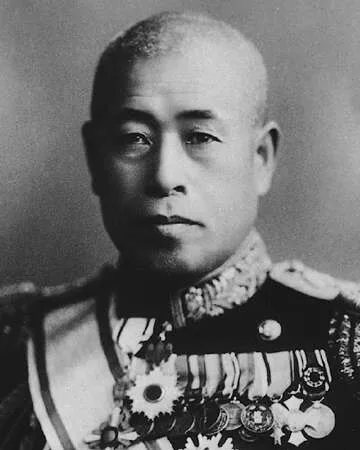
The Historic Flight of Admiral Yamamoto
On April 18, 1943, a significant historical event unfolded in the Pacific theater of World War II—the flight of Japanese Navy Marshal Admiral Isoroku Yamamoto from Truk to Rabaul. This journey marked a pivotal moment not just for Yamamoto but for U.S. military intelligence as well. Famous for his role in orchestrating the attack on Pearl Harbor, Yamamoto was targeted specifically due to intercepted intelligence that revealed his itinerary.
Yamamoto: The Strategic Mind Behind Pearl Harbor
Admiral Yamamoto, born on April 4, 1884, was a naval leader well-aware of the strategic ramifications of his actions. He was educated in the United States and understood both the strengths and weaknesses of his adversary. His vision for Japan involved extending its military influence across the Pacific, and he demonstrated his strategic brilliance during the early phases of the war. However, his aggressiveness drew the ire of Allied forces, resulting in targeted efforts to neutralize him.
Interception of Yamamoto’s Itinerary
U.S. military intelligence managed to intercept and decode Japanese communication, revealing that Admiral Yamamoto planned to visit Rabaul—a pivotal Japanese base in the Solomon Islands. This intelligence was vital; it indicated not just Yamamoto's intentions but also provided an opportunity for American forces to strike a significant blow against Japan's naval leadership.
The Impact of Yamamoto’s Flight
The decision to target Yamamoto's flight was unprecedented. It was a rare opportunity for American forces to eliminate one of their most formidable foes. As Yamamoto flew from Truk, U.S. P-38 Lightning fighters were dispatched to intercept him. This operation showcased the effectiveness of advanced intelligence and aerial combat capabilities, which would play a critical role in subsequent engagements in the Pacific.
The Interception Encounter
On that fateful day, U.S. pilots successfully spotted and engaged Yamamoto's aircraft in the skies over the Solomon Islands. The encounter resulted in a dramatic air battle. The American fighters proved more agile, ultimately leading to the downing of Yamamoto's plane. The Admiral’s death was not just a tactical victory; it dealt a severe psychological blow to Japanese morale.
Aftermath of the Attack on Yamamoto
Yamamoto's assassination on April 18, 1943, reverberated throughout the Japanese military leadership. His absence left a void that could never be filled, impacting subsequent military strategies and operations in the Pacific. Japanese forces began to realize the vulnerability of their high command, profoundly affecting morale and leadership structure in the months that followed.
Fun Fact
Yamamoto’s Last Words
Before boarding the plane that would take him to Rabaul, Yamamoto supposedly remarked, "I’m going to visit the front lines. It’s not dangerous, is it?" Little did he know that it would be his final journey.
Additional Resources
Recommended Reading on Admiral Yamamoto
For those interested in learning more about Admiral Yamamoto, consider reading “Yamamoto: The Man Who Liked to Watch Things Burn” by John D. McDonald and “Losing the Third Dimension: How Novelism and Yamamoto Changed the Course of Pacific War” by Gordon W. Prange. These books provide deeper insights into his strategies and leadership during the war.








 Continue with Google