


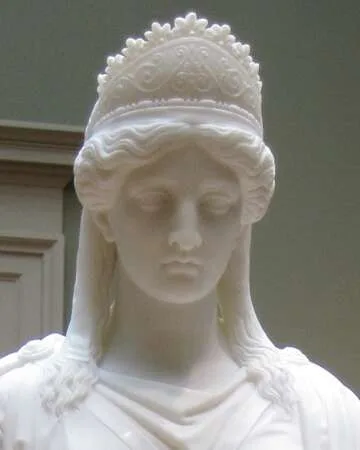
The Rise of Zenobia, Queen of Palmyra
Zenobia’s Birth and Early Life
Zenobia was born around 245 AD in Palmyra, a wealthy city in modern-day Syria. Raised in an environment where culture and commerce flourished, she was educated and trained in the art of governance from a young age. Her noble heritage and access to resources positioned her to later become a formidable ruler.
Zenobia's Ascendancy to the Throne
Upon her marriage to Odaenathus, the ruler of Palmyra, Zenobia became the Queen Consort. Following her husband's assassination, she took over leadership in 267 AD. With extraordinary abilities in diplomacy and strategy, she led Palmyra to a golden age, expanding its territories significantly.
Zenobia: A Warrior Queen
Zenobia’s Military Campaigns
In her quest for greatness, Zenobia initiated a series of military campaigns that challenged the Roman Empire's authority in the East. Her troops captured Egypt and parts of Asia Minor, showcasing her skills as a brilliant military strategist. This expansion alarmed the Roman Empire, prompting a response.
Facing the Roman Empire
Zenobia’s defiance led to her confrontation with the Roman Emperor Aurelian. In 273 AD, Roman forces sought to reclaim the territories she had conquered. Despite fierce resistance from her troops, Palmyra fell in 274 AD, marking the decline of her reign.
Legacy of Zenobia
Zenobia's Enduring Influence
After her defeat, Zenobia was captured and taken to Rome, but her legacy as a powerful female ruler endures. Her story is a source of inspiration, symbolizing strength and resilience. Through the ages, she has been romanticized in literature and art, embodying the qualities of a warrior queen.
Remembering Zenobia
Zenobia’s tale transcends her time, illustrating the complex interplay of gender and power in ancient history. Scholars and enthusiasts continue to explore her story, ensuring that her influence is recognized long after her reign ended.
Fun Fact
Zenobia’s Interesting Fact
A unique aspect of Zenobia’s leadership was her use of Greek and Roman literary references to enhance her image, portraying herself as a descendant of Cleopatra and a learned sovereign. This strategic use of cultural symbolism played a crucial role in establishing her legitimacy as a ruler.
Additional Resources
Recommended Reading on Zenobia
For those interested in a deeper exploration of Zenobia’s life, consider these insightful works: "Zenobia: Taking a Stand in a Roman World" by T.E. Gregory, and "The History of Zenobia: From the Queen of Palmyra to the Fire of Rome" by R.A. Baker.









 Continue with Google