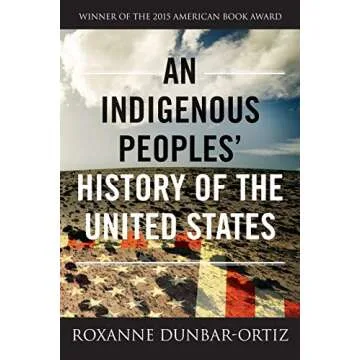
An Indigenous Peoples' History of the United
States is a groundbreaking text that seeks to reshape our
understanding of American history through the narratives and
experiences of indigenous peoples. Crafted by esteemed author
Roxanne Dunbar-Ortiz, this book challenges the Eurocentric view of
the past, exposing the overlooked truths of the genocide,
oppression, and cultural resilience of Native Americans.
Dunbar-Ortiz delves into the complex histories of the various
tribes and nations that...
Show more An Indigenous Peoples' History of the United States is a groundbreaking text that seeks to reshape our understanding of American history through the narratives and experiences of indigenous peoples. Crafted by esteemed author Roxanne Dunbar-Ortiz, this book challenges the Eurocentric view of the past, exposing the overlooked truths of the genocide, oppression, and cultural resilience of Native Americans. Dunbar-Ortiz delves into the complex histories of the various tribes and nations that existed on this land long before European contact, illustrating their vibrant societies, governance, and sophisticated systems of trade. Each chapter not only recounts historical events but also invites readers to confront uncomfortable truths about colonization and its lasting impacts. This well-researched and eloquent account appeals to anyone seeking a deeper understanding of the United States' foundation, which is steeped in native histories and cultures.
- Comprehensive Historical Narrative: Integrates Indigenous perspectives and narratives that have often been omitted from traditional history books.
- Rich Cultural Context: Offers a detailed examination of the thriving societies that existed prior to European settlement, emphasizing their governance, economy, and social structures.
- Accessible to All Readers: Available in a condensed version for younger readers, ensuring the important messages can reach a wider audience.
- Timely and Relevant: Engages with contemporary issues regarding indigenous rights and the ongoing effects of colonization, urging readers to consider future actions.
- Critical Reflections: Encourages readers to rethink established narratives and confront the moral implications of the past.
Target Audience
- History enthusiasts eager to delve into untold stories.
- Educators looking for essential resources for teaching American history.
- Students studying indigenous issues and their significance in contemporary society.
- Activists involved in social justice and equality movements who want to understand the roots of these struggles.
Best Occasions to Use This Gift: This powerful book is particularly suitable for educational settings, such as high schools, universities, or even community book clubs, where discussions about history and social justice take center stage. It serves as an excellent reading for Indigenous Peoples' Day, emphasizing the importance of recognizing and celebrating Native American cultures.
- Indigenous Peoples' Day
- National History Month
- Book club discussions
- Educational curriculum incorporation
Comparison with Competitors
Unlike traditional history textbooks that often overlook Native American perspectives, An Indigenous Peoples' History of the United States employs a critical lens that centers indigenous voices. While other books may provide a brief overview of Native American history, Dunbar-Ortiz’s work goes in-depth, highlighting the systematic injustices faced by these communities while also celebrating their resilience and contributions to society. The integration of contemporary reflections on these historical events sets it apart from competing narratives that may sanitize the brutal realities of colonization.
Why You Will Love This Product?
It’s a must-read for anyone who values an unfiltered and truthful account of American history. The impact of this book extends beyond mere knowledge—it encourages readers to think critically about our past, our present, and the moral responsibilities we bear towards indigenous communities. This engaging blend of historical detail and personal reflections will foster empathy and a deeper understanding that can inspire positive change in your community. Experience a journey through the rich tapestry of America's original inhabitants and discover how their truth interlaces with the broader narrative of our nation.
Less












 Continue with Google