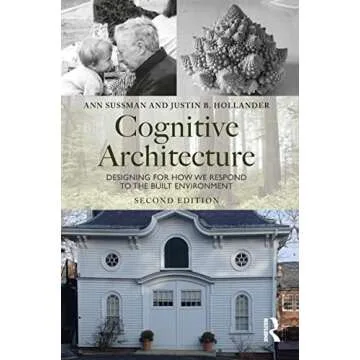
Explore the Intersection of Mind and Space with
"Cognitive Architecture: Designing for How We Respond to the Built
Environment." This groundbreaking book delves into the intricate
relationship between human psychology and architecture, revealing
how design can influence our behaviors, emotions, and interactions
within various environments. Authored by leading experts, this book
serves as a comprehensive guide, blending theoretical insights with
practical applications to create spaces that...
Show more Explore the Intersection of Mind and Space with "Cognitive Architecture: Designing for How We Respond to the Built Environment." This groundbreaking book delves into the intricate relationship between human psychology and architecture, revealing how design can influence our behaviors, emotions, and interactions within various environments. Authored by leading experts, this book serves as a comprehensive guide, blending theoretical insights with practical applications to create spaces that not only fulfill functional needs but also enhance the human experience.
The book covers a range of topics, from cognitive science and psychology principles to environmental and ecological design strategies that promote well-being. It explores how factors such as lighting, layout, and materials affect our mental states and social dynamics, making it essential reading for architects, designers, urban planners, and anyone interested in the profound effects of our built environments.
- Practical Framework: Learn practical frameworks and methods for assessing the cognitive impacts of design.
- Theoretical Insights: Gain insights into cognitive science's role in informing design decisions and their effects on user experience.
- Case Studies: Examine case studies that illustrate successful applications of cognitive principles in architecture.
- Interdisciplinary Approach: Benefit from the synthesis of architecture with psychology, sociology, and environmental science.
This book not only educates but also inspires architects and designers to challenge conventional practices and create environments that resonate with human needs and cognitive functions.
Who Should Read This?
- Architects looking to integrate cognitive principles into their designs.
- Students of architecture and design seeking a deeper understanding of how space affects behavior.
- Urban planners focused on creating inclusive and engaging community spaces.
- Real estate developers interested in enhancing the livability of their projects.
- Psychologists curious about the built environment's impact on mental health.
- Environmental designers aiming to reduce stress and promote positive experiences through nature-inspired spaces.
This book is a must-read for anyone involved in the design of space and places.
Best Occasions to Use This Gift:
Perfect for graduation gifts, it celebrates new beginnings and the pursuit of knowledge. It also makes an excellent choice for industry conferences or workshops, where professionals can gain insights to inspire their next projects. Gift this book to students entering architectural studies or those considering a career in design, as it lays a solid foundation for understanding the intricate bond between cognition and architecture.
- Graduation party
- Design workshop
- Architectural seminar
- Professional development conference
- Christmas or holiday gifts for design enthusiasts
Comparison with Competitors
Unlike other architecture books that focus solely on aesthetic or functional aspects, "Cognitive Architecture" emphasizes the psychological impact of design. Other titles may offer lists of design tips or rules, but this book dives deep into the why and how behind those tips. It stands out by providing robust research findings alongside practical applications, ensuring readers not only learn what works but understand the reasoning that drives effective design.
This book is essential for those who seek to apply a more human-centered approach to their architectural designs, avoiding superficial treatments of the subject.
Why You Will Love This Product?
If you're passionate about creating spaces that truly serve their inhabitants, "Cognitive Architecture" is your blueprint. This book empowers readers to consider not just how buildings look, but how they feel, interact, and breathe life into our everyday experiences. You'll appreciate the actionable insights that lead to designs promoting mental health, social interaction, and a sense of belonging. By integrating cognitive principles into your work, you can transform your projects into environments where people thrive.
Less

















 Continue with Google