Introducing the ultimate resource for mental health
professionals, the Cognitive-Behavioral Therapy for
Avoidant/Restrictive Food Intake Disorder guide is
meticulously crafted to aid in the treatment of ARFID. This
comprehensive manual not only prioritizes weight
restoration and variety in dietary
intake, but also integrates innovative approaches that
empower both practitioners and their clients. Leveraging robust
empirical research, it implements diverse...
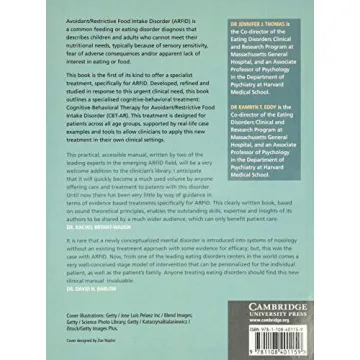
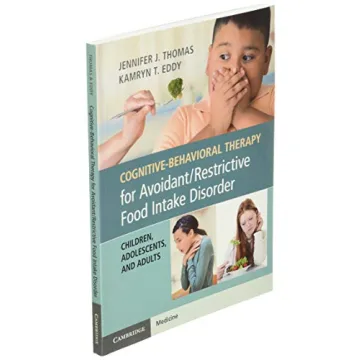
Show more Introducing the ultimate resource for mental health professionals, the Cognitive-Behavioral Therapy for Avoidant/Restrictive Food Intake Disorder guide is meticulously crafted to aid in the treatment of ARFID. This comprehensive manual not only prioritizes weight restoration and variety in dietary intake, but also integrates innovative approaches that empower both practitioners and their clients. Leveraging robust empirical research, it implements diverse exposure techniques such as systematic desensitization, interoceptive exposure, and graded exposure, ensuring a holistic and well-rounded therapeutic experience.
This guide is rich in psychoeducation, providing vital information and strategies for both patients and caregivers. Unlike more traditional texts that focus solely on the physical aspects of eating disorders, this manual takes a modern approach by addressing psychological challenges from a CBT perspective. It is tailored not just for dietitians and medical doctors, but for anyone involved in the treatment of ARFID, offering valuable insights into both the mental and nutritional dimensions.
One of the significant highlights of the book includes its detailed therapeutic meal plans and in-session interaction techniques for exposure to feared foods. This is a transformative feature, allowing individuals to not just understand but confront their eating challenges actively. This book equips therapists with necessary tools to tackle psychological barriers directly; making it an invaluable asset in the realm of eating disorder treatment.
If you are seeking effective strategies in the battle against ARFID, this guide can illuminate the complex path toward recovery. While the text offers abundant information, it is advised to seek a qualified therapist trained in CBT-AR or FBT-ARFID. Don't miss out on this essential manual that stands as a beacon of hope for individuals and their families navigating the challenges of ARFID.
Less





















 Continue with Google