Debt: The First 5,000 Years, Updated and
Expanded authored by David Graeber challenges traditional
concepts of economics, offering a riveting narrative that stretches
across civilizations and centuries. This captivating read traverses
the evolution of debt and economic systems, positioning itself as a
comprehensive exploration of how debt shapes human societies.
Graeber, an acclaimed anthropologist, provides a unique lens
through which we can examine the fundamental questions that
define...
Show more Debt: The First 5,000 Years, Updated and Expanded authored by David Graeber challenges traditional concepts of economics, offering a riveting narrative that stretches across civilizations and centuries. This captivating read traverses the evolution of debt and economic systems, positioning itself as a comprehensive exploration of how debt shapes human societies. Graeber, an acclaimed anthropologist, provides a unique lens through which we can examine the fundamental questions that define our monetary systems.
This book isn't just a historical account; it's an engaging synthesis of anthropology, history, and economics that overturns long-held myths, such as the common belief in barter as the precursor to money. Graeber invites readers to reconsider the innately human aspects of economic interactions, emphasizing that debt relationships and credit systems have been foundational to societies throughout history.
Key Features:
- Comprehensive Historical Analysis: Dive deep into 5,000 years of history, exploring the intricate ties between debt, societal structures, and significant events.
- Interdisciplinary Approach: Graeber combines insights from anthropology, economics, and history to provide a nuanced understanding of debt.
- Illuminating Perspective: The author challenges conventional economic thought while addressing contemporary issues surrounding debt and finance.
- Accessible and Engaging Writing: Despite the complex themes, Graeber adopts a conversational tone that resonates with a broad audience.
- Enhanced Edition: This updated version includes additional insights and developments relevant to today's economic landscape, making it more relevant than ever.
With everything from ancient Mesopotamia to modern credit systems, this book provides a visual map of ideas, encouraging readers to rethink their understanding of economic history.
Target Audience:
- Students and Academics: Those studying economics, anthropology, or history will find this text invaluable.
- Curious Minds: Anyone intrigued by the dynamics of our financial systems and their implications on society.
- Book Clubs: Perfect for discussion, as it raises thought-provoking questions about debt, morality, and society.
- History Lovers: Readers who appreciate how historical trends shape modern realities.
Occasions:
This book is excellent for intellectual gifts, graduations, and personal explorations into economic thought. It is a perfect companion during self-study or as a group discussion starter.
Comparison:
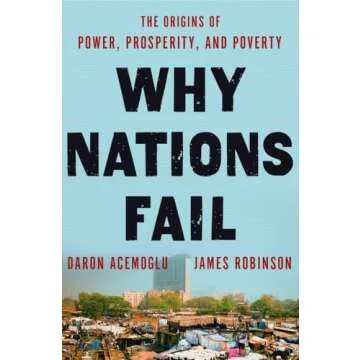
While books like Capital in the Twenty-First Century by Thomas Piketty delve into wealth inequality from a statistical standpoint, Graeber's work provides a broader historical context, illuminating the social implications of debt through time. Where Piketty focuses primarily on quantitative data, Graeber enriches the narrative with qualitative insights from diverse cultures.
Emotional Appeal:
Graeber's exploration of debt resonates emotionally, inviting readers to reflect on their personal experiences with financial structures. By exposing the often unseen ties between debt, society, and morality, he encourages a collective rethinking of the values underpinning our economic lives.
Less





















 Continue with Google