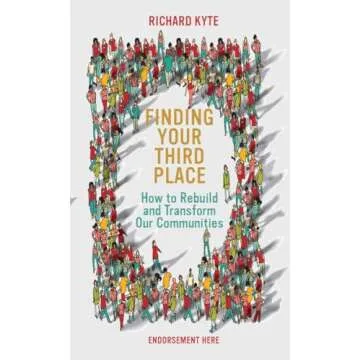
Discover the transformative power of social connections with the
enlightening book Finding Your Third Space by
Richard Kyte. This compelling read delves deep into the societal
shifts that have altered our interactions over the last seventy
years, examining how modern technology has distanced us from
genuine friendships and community bonds. With every page, Kyte
reveals the importance of establishing a 'third place'—a welcoming
space where everyone knows your name and camaraderie
thrives....
Show more Discover the transformative power of social connections with the enlightening book Finding Your Third Space by Richard Kyte. This compelling read delves deep into the societal shifts that have altered our interactions over the last seventy years, examining how modern technology has distanced us from genuine friendships and community bonds. With every page, Kyte reveals the importance of establishing a 'third place'—a welcoming space where everyone knows your name and camaraderie thrives. Whether you're seeking to mend the rifts in your social life or simply yearning for more meaningful interactions, this book serves as a guide on how to reclaim these essential connections.
Through a rich tapestry of national statistics, relatable anecdotes, and profound insights, Finding Your Third Space encourages readers to reflect on their daily lives. Kyte posits that loneliness, addiction, and anxiety are increasingly prevalent because we've lost touch with the intimate gatherings that once defined our social existence. This book speaks to the heart of what it means to be human, underlining that simple friendship is vital for a fulfilling life.
What sets this book apart is Kyte's ability to blend academic research with personal stories, drawing the reader into a journey that’s as informative as it is relatable. As he poignantly points out, the solutions to our social malaise often lie in creating spaces where interactions can flourish. With his insightful exploration of community building, he provides actionable strategies for fostering relationships in an age of isolation.
Whether you’re an individual looking for connection, a community leader seeking to strengthen ties, or simply a curious reader, this book has something profound to offer. It prompts us all to engage, to reach out, and ultimately to build the networks of support that enrich our lives.
Target Audience:
- Individuals aged 18 and above
- Community leaders seeking to foster relationships
- Readers interested in social dynamics
- Psychology and self-help enthusiasts
Occasions:
Perfect for those looking to enhance their social interactions, especially on occasions such as birthdays, graduations, and community events.
Key Features:
- In-depth examination of societal changes affecting friendship
- Practical insights for creating a sense of community
- Blends personal stories with nationwide statistics
- Encourages readers to actively seek meaningful connections
Comparison:
In comparison to similar titles, Finding Your Third Space stands out for its engaging narrative and relatable approach to complex social issues, making it a compelling choice for those interested in personal development and social networking.
Emotional Appeal:
Embracing the themes of connection and friendship, this book offers readers the emotional reassurance that they are not alone in their feelings of isolation. It motivates individuals to seek out and nurture the bonds that can lead to a more satisfying and enriched life.
Less














 Continue with Google