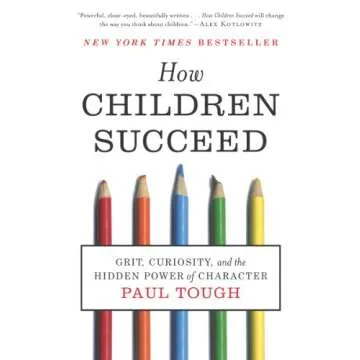
How Children Succeed: Grit, Curiosity, and the Hidden
Power of Character is an enlightening exploration of the
critical qualities that contribute to success in children beyond
mere intellect. Written by renowned journalist Paul Tough, this
book delves into the concepts of character traits such as grit,
curiosity, and resilience, shedding light on how these traits play
a significant role in developing well-rounded, successful
individuals. Its evidence-based approach, rich storytelling,
and...
Show more How Children Succeed: Grit, Curiosity, and the Hidden Power of Character is an enlightening exploration of the critical qualities that contribute to success in children beyond mere intellect. Written by renowned journalist Paul Tough, this book delves into the concepts of character traits such as grit, curiosity, and resilience, shedding light on how these traits play a significant role in developing well-rounded, successful individuals. Its evidence-based approach, rich storytelling, and extensive research make it a must-read for parents, educators, and anyone invested in the growth of the next generation. Encouraging readers to think beyond standardized testing, Tough offers a compelling narrative on how nurturing these core characteristics can lead to a more fulfilling and successful life for children.
- In-depth Insight: Offers a thorough examination of how non-cognitive skills are more important than IQ.
- Research-Driven: Integrates comprehensive studies and real-life stories that underscore the importance of grit and curiosity.
- Practical Guidance: Provides actionable strategies for parents and educators to cultivate these essential character traits.
- Engaging Narrative: Combines factual information with relatable anecdotes that resonate with readers.
- Multifaceted Perspective: Discusses various environments, including homes and schools, that influence children's development.
- Promotes Lifelong Learning: Encourages a mindset focused on growth and resilience rather than fixed intelligence.
Target Audience
- Parents seeking to instill valuable life skills in their children.
- Educators looking for ways to enhance their teaching approaches.
- Psychoeducational professionals aiming to understand student development.
- Anyone passionate about child development and educational reform.
- Policy makers in education and youth services.
- Researchers focused on child psychology and educational effectiveness.
Best Occasions to Use This Gift:
This book is perfect for encouraging thoughtful parenting and effective teaching strategies during significant life and educational transitions. Whether it’s the beginning of a new school year or a graduation celebration, gifting this book can inspire positive growth in young lives.
- Back to School Season
- Graduation Celebrations
- Parent-Teacher Conferences
- Children’s Birthday Parties
- Any occasion for a thoughtful gift that promotes educational development
Comparison with Competitors
While other parenting books focus primarily on traditional measures of success, such as academic achievement or behavioral management, How Children Succeed stands out by emphasizing the importance of character traits. Unlike competitors that provide surface-level advice or only anecdotal evidence, Tough's exploration is deeply rooted in research, making it a trusted source for building a child's foundation for lifelong success. The narrative approach makes it more relatable and engaging compared to typical self-help educational literature focused solely on academic success.
Why You Will Love This Product?
This book goes beyond conventional wisdom about success, igniting a passion for lifelong learning through its core message: the cultivation of character is essential for the growth of a child's potential. By integrating scientifically-backed insights with everyday examples, it fosters a profound connection with readers, encouraging them to actively engage in their child's developmental journey. You will appreciate seeing how the implementation of Tough's strategies can transform not only children's lives but also the dynamics of families and educational institutions.
Less









 Continue with Google