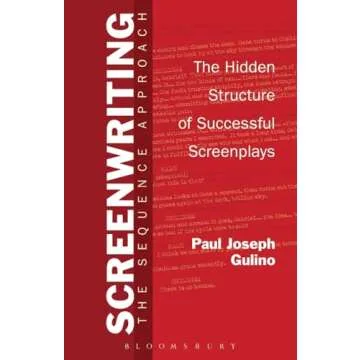
Unlock the secrets of captivating storytelling with
Screenwriting: The Sequence Approach by acclaimed
author Paul Gulino. This remarkable guide revolutionizes the way
budding and seasoned screenwriters craft their narratives by
unveiling the sequence approach. Ditching the
cumbersome three-act structure commonly found in screenwriting,
this book empowers storytellers to break their scripts into
manageable sequences, each functioning as a
complete unit with...
Show more Unlock the secrets of captivating storytelling with Screenwriting: The Sequence Approach by acclaimed author Paul Gulino. This remarkable guide revolutionizes the way budding and seasoned screenwriters craft their narratives by unveiling the sequence approach. Ditching the cumbersome three-act structure commonly found in screenwriting, this book empowers storytellers to break their scripts into manageable sequences, each functioning as a complete unit with its own beginning, middle, and end. This innovative framework not only simplifies the writing process but also enhances one’s ability to craft engaging cinema. Drawing from the profound teachings of Frank Daniel, Gulino connects the historical roots of this method to create a practical and applicable guide for modern screenwriters.
Gulino's comprehensive analysis features a rich array of real-world examples from both classic and contemporary films—such as the beloved Toy Story and the epic Lawrence of Arabia. By dissecting these titles through the lens of the sequence approach, he uncovers the intrinsic storytelling principles that elevate screenplays. His exploration spans across six decades and various genres, making this book an invaluable resource for anyone passionate about film. The narrative becomes clearer, and writers are encouraged to envision their stories as a collection of powerful sequences, each working collaboratively to build a compelling overall arc.
What truly distinguishes this book is its embrace of a simplified yet effective structure, demonstrating that within a standard framework of two sequences in the first act, four in the second, and two in the third, writers can maintain dramatic tension and develop strong characters effectively. Gulino's accessible prose and practical examples transform complex concepts into easily digestible insights. Whether you’re a novice looking to hone your craft or a seasoned filmmaker seeking fresh inspiration, this guide is a treasure trove of essential tools to master the art of screenwriting.
Moreover, the emotional journey that this method fosters is priceless—it ignites creativity while streamlining the writing process. With Screenwriting: The Sequence Approach, you will not only learn a new methodology but embark on a transformative journey that will enrich your storytelling abilities and captivate audiences far and wide.
Less










 Continue with Google