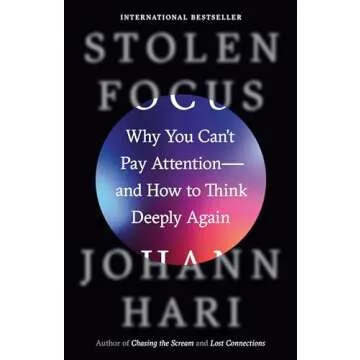
Stolen Focus: Why You Can't Pay Attention--and How to
Think Deeply Again by Johann Hari is not just a book; it's
a vital exploration of the systemic issues surrounding our modern
attention crisis. This compelling work delves deep into the myriad
factors contributing to our inability to focus, from the pervasive
presence of digital distractions to the design flaws of social
media platforms. Hari expertly argues that the root of our
fragmented attention spans is not merely individual failings...
Show more Stolen Focus: Why You Can't Pay Attention--and How to Think Deeply Again by Johann Hari is not just a book; it's a vital exploration of the systemic issues surrounding our modern attention crisis. This compelling work delves deep into the myriad factors contributing to our inability to focus, from the pervasive presence of digital distractions to the design flaws of social media platforms. Hari expertly argues that the root of our fragmented attention spans is not merely individual failings but rather a complex interplay of societal forces and economic incentives heavily influenced by Big Tech. In this enlightening narrative, readers will engage with not only the psychological ramifications of attention theft but also the broader implications for society.
The book doesn’t shy away from discussing the structural changes necessary to combat this escalating crisis. With meticulous research and personal anecdotes, Hari awakens readers to the profound impacts of our digital habits, chronic sleep deprivation, and the erosion of flow states—all factors that contribute to our waning focus. Stolen Focus transcends typical self-help books, offering a rich, nuanced portrait of our current reality combined with insights on potential remedies.
- Comprehensive Analysis: Hari’s holistic approach walks readers through the societal, technological, and psychological elements affecting concentration.
- Engaging Style: Blending vivid storytelling with scientific rigor, the book maintains reader interest while informing them.
- Practical Solutions: Though not a quick-fix guide, it offers historical solutions and encourages readers to take meaningful steps toward improving their focus.
- Awareness Raising: It’s designed to spark conversations about our digital future and the importance of collective action.
Target Audience
- Students struggling with focus in academic environments.
- Professionals facing distractions in the workplace.
- Individuals seeking a deeper understanding of their digital habits.
- Parents concerned about screen time and attention issues in children.
- Anyone interested in personal development and psychological resilience.
With its insights, Stolen Focus is perfect for those seeking to understand the complexities of modern distractions and how they can reclaim their mental energy.
**Best Occasions to Use This Gift:** This book is an insightful read for anyone interested in understanding and overcoming the attention crisis in our digital age. It’s particularly suitable for:
- Book clubs discussing modern challenges in society.
- Graduations, as a thoughtful tool for future focus.
- Birthdays, for friends who are receptive to self-improvement.
- Mindfulness or wellness events, encouraging participants to delve into their mental habits.
- Corporate retreats aimed at improving employee productivity and focus.
Comparison with Competitors
Unlike standard self-help books that offer shallow solutions, Stolen Focus provides a comprehensive examination of the attention crisis, presenting a unique perspective that combines personal storytelling with thorough research. While books like The Power of Habit focus primarily on behavioral change, and You're Not Listening address interpersonal dynamics, this title shines light on the broader systemic issues at play. It engages with historical context and societal implications, making it a necessary companion for readers looking to deep-dive into the topic.
**Why You will Love This Product?** Readers will appreciate the depth of exploration into how digital distractions affect daily life. Armed with actionable insights and a broader understanding of societal frameworks, Stolen Focus empowers individuals to regain control over their attention spans in an increasingly chaotic world. It speaks to the heart of modern wellness by addressing not only personal habits but also advocating for meaningful changes that resonate on a larger scale.
Less


 Sign in / up





















 Continue with Google