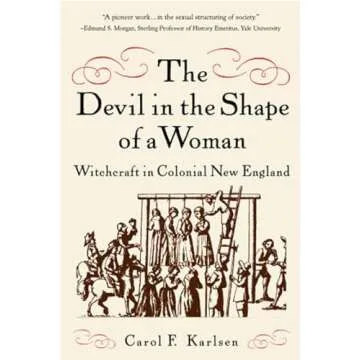
The Devil in the Shape of A Woman by Carol F.
Karlsen is an illuminating exploration of witchcraft in
colonial New England, specifically delving into the intricate
socio-economic and political dynamics that fueled the notorious
witch trials. This thought-provoking book goes beyond the
simplistic view of women as mere victims of societal repression,
uncovering the multifaceted reasons behind the
witchcraft hysteria. Through meticulous research and detailed
analysis, Karlsen...
Show more The Devil in the Shape of A Woman by Carol F. Karlsen is an illuminating exploration of witchcraft in colonial New England, specifically delving into the intricate socio-economic and political dynamics that fueled the notorious witch trials. This thought-provoking book goes beyond the simplistic view of women as mere victims of societal repression, uncovering the multifaceted reasons behind the witchcraft hysteria. Through meticulous research and detailed analysis, Karlsen examines how factors like sex, marital status, and community standing contributed to the rise of witch accusations against women, illustrating that these were often rooted in personal grievances and conflicts rather than actual malevolence.
Karlsen's thesis asserts that most accused witches were women who challenged the male-dominated social order of their time. Within the pages of this compelling narrative, readers will find a wealth of information drawn from court documents, journal entries, and other primary sources that vividly recount the chilling atmosphere of fear and suspicion that enveloped New England. By focusing on key locations like Hartford, Salem, and Fairfield, the book offers an in-depth perspective on how interconnected community relationships can lead to tragic consequences.
This work also sheds light on the role of women in Puritan society and how their economic vulnerability made them prime targets for accusations. By documenting the stigma passed down through generations, Karlsen highlights that witchcraft accusations were not merely individual events but part of a larger pattern that perpetuated gender biases and economic inequities. Whether it's through discussions of famous witches or analysis of lesser-known cases, Karlsen elevates the conversation about women accused of witchcraft to a significant historical and sociological commentary.
With a balance of rigorous scholarship and engaging storytelling, The Devil in the Shape of A Woman breaks new ground in the understanding of witch trials. This book is a must-read for anyone interested in gender studies, social history, or the complexities of early American society.
Less





















 Continue with Google