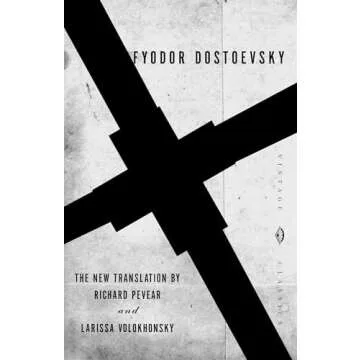
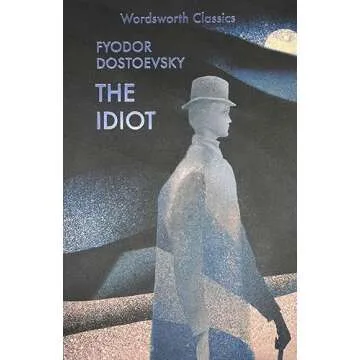
The Idiot (Vintage Classics)
V Visit Brand Page
- 68
- 0
- 100+ Sold in the past week
- 💥 300+ people added this to wishlists
- ⏳ Don’t miss out — limited stock available
- ⭐️ Trusted by shoppers

 Sign in / up
13.16
Sign in / up
13.16
The Idiot, penned by the renowned author Fyodor Dostoevsky, is a profound exploration of the human soul and the complexities of society. The story unfolds around Prince Myshkin, a character marked by his gentle and Christ-like nature, who returns to Russia after a long period of treatment for his epilepsy. Unlike the infamous Raskolnikov from Dostoevsky's earlier work, Crime and Punishment, the prince is portrayed as naive yet profoundly insightful, whose compassionate demeanor starkly...
Show more| manufacturer | Vintage |
|---|---|
| color | Multicolor |
| height | 9 |
| weight | 2.314853751 |
| width | 1.48 |
| length | 6 |
| releaseDate | 2003-07-08T00:00:01Z |
| languages | [ Published Value = English ] [ Original Language Value = English ] [ Unknown Value = English ] |
| productGroup | Book |
The main theme revolves around the contrast between innocence and the ruthless nature of society, highlighted through Prince Myshkin's character and his interactions with others.
Prince Myshkin is the protagonist, often seen as a Christ-figure who embodies kindness, compassion, and innocence in a corrupt society.
Reading The Idiot allows you to delve into complex human emotions and societal critiques, making it a thought-provoking read that continues to resonate today.
While Crime and Punishment focuses on psychological turmoil through the lens of guilt and murder, The Idiot offers a contrasting perspective on virtue and grace in a flawed society.
Yes, The Idiot is regarded as a classic of world literature and a significant work in existential and philosophical literature.
The Idiot evokes a range of emotions, including empathy, sadness, and introspection, compelling readers to reflect on morality and the human condition.
13.16
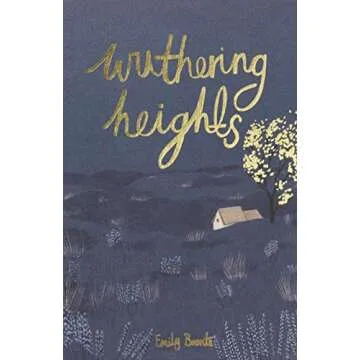
![100 Eternal Masterpieces of Literature [Volume 1]: Essential Reading for Every Book Lover!](https://assets.giftpals.com/assets/uc/Gift/QMGLuJglyMUg/1/thumbnail_default_1.webp?HnpiCR4ZzXHi)



 Continue with Google