Introducing the incredible Venus Fly Trap Live
Plant from The Killer Plant Company – a
stunning addition to any home or office space! This plant is part
of the select Dionaea muscipula ‘King Henry’
cultivar, renowned for being one of the largest and most
fascinating varieties available in cultivation today. With its
impressively large traps and fast growth, this Venus flytrap not
only serves as a captivating conversation starter but also as a
low-maintenance...
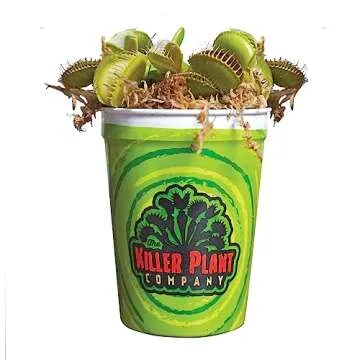
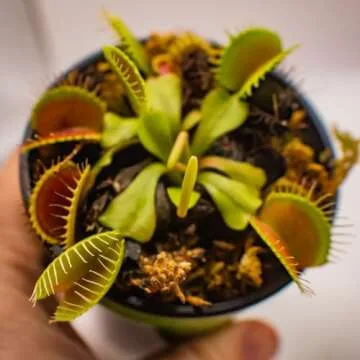
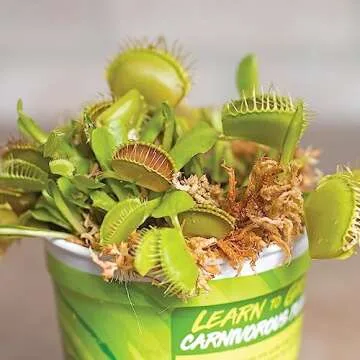
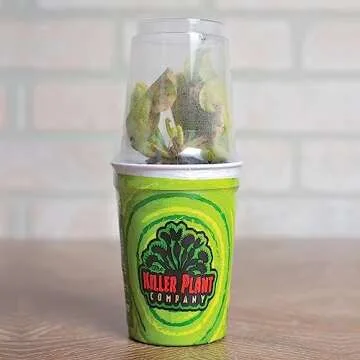
Show more Introducing the incredible Venus Fly Trap Live Plant from The Killer Plant Company – a stunning addition to any home or office space! This plant is part of the select Dionaea muscipula ‘King Henry’ cultivar, renowned for being one of the largest and most fascinating varieties available in cultivation today. With its impressively large traps and fast growth, this Venus flytrap not only serves as a captivating conversation starter but also as a low-maintenance pet that continues to thrive, making it perfect for beginners and plant enthusiasts alike. Shipped in a 3-inch pot with a humidity dome to ensure it arrives in peak condition, this Venus flytrap is ready to flourish in your care, boasting aesthetic appeal and unique functionality as it naturally attracts and captures insects.
Less



















 Continue with Google