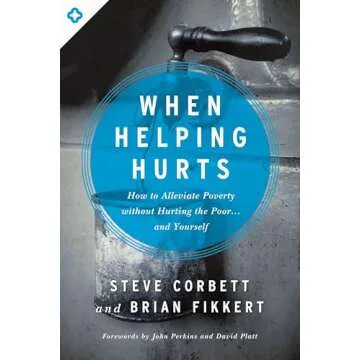
When Helping Hurts: How to Alleviate Poverty Without
Hurting the Poor . . . and Yourself is an enlightening and
thought-provoking analysis authored by Steve Corbett and Brian
Fikkert. Aimed at individuals and organizations seeking to
effectively assist the poor, this well-researched book delves into
the complexities of poverty alleviation and exposes the
shortcomings of traditional charity approaches. With a blend of
expert insights and real-world experiences, Corbett and Fikkert
challenge...
Show more When Helping Hurts: How to Alleviate Poverty Without Hurting the Poor . . . and Yourself is an enlightening and thought-provoking analysis authored by Steve Corbett and Brian Fikkert. Aimed at individuals and organizations seeking to effectively assist the poor, this well-researched book delves into the complexities of poverty alleviation and exposes the shortcomings of traditional charity approaches. With a blend of expert insights and real-world experiences, Corbett and Fikkert challenge preconceived notions and advocate for a more relational and holistic methodology in helping those in need.
Throughout its pages, the book presents compelling arguments on foundational concepts such as defining who the poor are and understanding the implications of poverty through a biblical lens. The authors skillfully explore three vital strategies for effective relief: relief, rehabilitation, and development. They articulate the crucial need for a balanced approach that does not merely address immediate needs but also facilitates long-term growth and community engagement. This book is not just a manual; it's a call for deeper understanding and commitment to truly helping the impoverished.
- In-depth Analysis: Offers a comprehensive exploration of how traditional charity often fails to produce lasting impacts.
- Community Focus: Encourages relational engagement with the poor rather than treating them as mere projects.
- Biblical Framework: Integrates a biblical worldview in understanding poverty and the methodology for assistance.
- Practical Strategies: Provides concrete tools for addressing poverty through collaboration and empowerment.
- Transformational Insights: Challenges readers to rethink their approaches to charitable actions and foster genuine relationships.
Target Audience
- Church Leaders: Pastors and ministry leaders looking to enhance their outreach strategies.
- Volunteers and Mission Groups: Individuals involved in short-term missions or community service projects.
- Social Workers and NGOs: Professionals dedicated to poverty alleviation and community development.
- Academics and Students: Those studying theology, social work, or humanitarian efforts.
- Individuals Compassionate About Change: Anyone eager to make a difference through informed action.
The recommendations for this book extend beyond personal enrichment; it serves as a critical tool in short-term mission trips, making its principles applicable in various contexts. Its teachings are vital for anyone grappling with how to sustainably assist in alleviating poverty, marking it as a necessary read for intentional community service.
Comparison with Competitors
Unlike many self-help guides or traditional charity manuals, "When Helping Hurts" emphasizes understanding the perspectives of the poor and focuses on the importance of relationships over temporary relief. This book stands out by providing a nuanced argument against typical charity tactics that foster dependency, urging readers to take a long-term view of poverty alleviation. Other literature may gloss over the emotional and cultural complexities of poverty, but Corbett and Fikkert delve into these intricacies, equipping readers with a framework for compassionate, effective assistance.
Why You Will Love This Product? This book transforms your approach to philanthropy and community involvement by emphasizing love, understanding, and commitment. It empowers readers to think critically about their efforts to help and inspires them to foster authentic connections with those they wish to assist. Whether you are involved in church work or simply seeking to enact social change, this text will motivate and enrich your perspective on effective humanitarian efforts.
Less
















 Continue with Google