






Understanding Child Behavior: A Necessary Journey
Managing child behavior is not just an essential skill for parents; it's a journey filled with learning and growth for both the child and the caregiver. Whether you're a parent, teacher, or a caregiver, this curated list presents essential resources that will empower you to understand and address the complexities of child behavior effectively. Think of these resources as your go-to toolkit—designed to equip you with the necessary knowledge and tools to foster healthy emotional development and responsibility in children.
As we navigate the challenges of childhood emotions and behaviors, it’s crucial to have engaging materials that resonate with children. This compilation blends interactive books and tools to create a nurturing environment where children can thrive emotionally and socially. Soak in these recommendations, and make every moment with your child a step toward fostering their emotional intelligence.
Books That Speak to Big Feelings
An incredible starting point in managing child behavior is through storytelling. Books that focus on emotions teach children to identify and express their feelings. One standout is The Boy with Big, Big Feelings (The Big, Big Series, 1). This delightful story introduces young readers to a boy navigating his intense emotions, helping them understand that feeling big emotions is okay. By connecting through relatable narratives, children learn to articulate their feelings better, an essential skill for emotional intelligence.
Another engaging read is Lying Up a STORM: A Picture Book About Telling the Truth. This book tackles honesty and trust, significant themes that help children grasp the values of truthfulness. With captivating illustrations and engaging stories, it's a fitting way to foster discussions on honesty with your little ones.
Interactive Tools for Effective Disciplinary Strategies
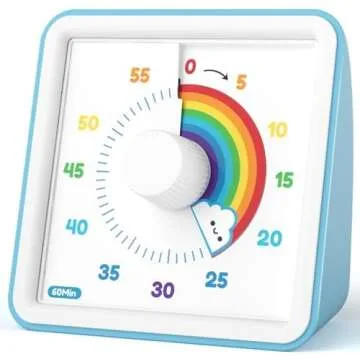
Tools like the LIORQUE 60 Minute Visual Timer for Kids can be a game-changer in any learning or home environment. Timers help set visual expectations for tasks and transitions, reducing anxiety surrounding time management for kids. The colorful 'Rainbow' design makes it attractive and easy for children to understand how much time they have left, which is especially useful for both focus activities and playtime. These intuitive tools not only promote independence but also enhance responsibility as kids learn to manage their time better.
Discipline doesn't have to be dramatic! Enter No-Drama Discipline: The Whole-Brain Way to Calm the Chaos and Nurture Your Child's Developing Mind. This book offers insights into the link between discipline and a child’s emotional development. It promotes understanding over punishment, advocating for responses that help children reflect rather than react. By employing strategies that engage children in productive conversations about their behaviors, you foster an environment of trust and growth.
Teaching Responsibility from a Young Age
Equipping children with the tools to take ownership of their actions can significantly improve their behavior. The book But It's Not My Fault: Help Kids 5-9 Learn How to Take Responsibility is an excellent resource for parents hoping to instill a sense of accountability in their children. With relatable scenarios, it presents lessons on responsibility in a format that's easy for kids to digest. This engaging approach encourages children to reflect on their choices and consequences, setting a solid foundation for responsible behavior.
Furthermore, the classic guide How to Talk So Kids Will Listen & Listen So Kids Will Talk stands as a must-have for fostering effective communication in families. This book provides practical strategies for understanding and engaging with children, ensuring that discussions about their actions and feelings are constructive. Shifting from a lecture style to a more conversational approach not only builds trust but also encourages kids to share their thoughts openly.
Frequently Asked Questions
- What are effective ways to teach emotional intelligence to children?
Using narrative tools like books and interactive activities can help children identify and manage their feelings, enhancing their emotional intelligence. - How do I encourage responsibility in children?
Start with relatable stories that demonstrate consequences and instill accountability, such as books focused on responsibility and trust. - What discipline strategies are effective for young children?
Opt for approaches that emphasize understanding and communication, rather than traditional punitive methods. - Can visual aids help in managing children's behavior?
Absolutely! Timers and visual aids simplify expectations and help kids manage their time, leading to better behavior.
In conclusion, the path to understanding child behavior is paved with insightful resources that promote emotional awareness and responsibility. By integrating engaging books and interactive tools into everyday life, you are setting children on a trajectory towards becoming emotionally intelligent and responsible individuals. With the right tools and strategies, parents, caregivers, and educators can create an environment that nurtures healthy behaviors.
Explore your favorites now and empower your journey through the beautiful chaos of child behavior. Make informed decisions that not only enhance learning but also strengthen the bond you share with the children in your life. Happy reading and parenting!



 Continue with Google