



Choosing the perfect gift can often feel like an overwhelming endeavor, especially when you want to ensure that it resonates with the recipient. Gifts hold the power to convey thoughts and feelings, and selecting one that truly reflects those sentiments requires thoughtful consideration. Giving a gift should never just be a formality; it should also be an opportunity to strengthen relationships and make lasting memories. That's why putting in the effort to find the right gift is so important—it can transform an ordinary occasion into something extraordinarily special.
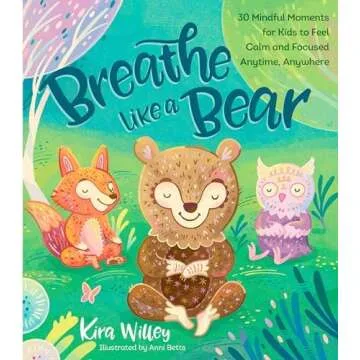
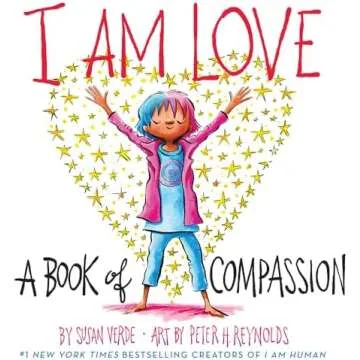
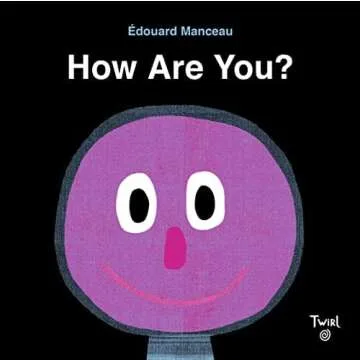
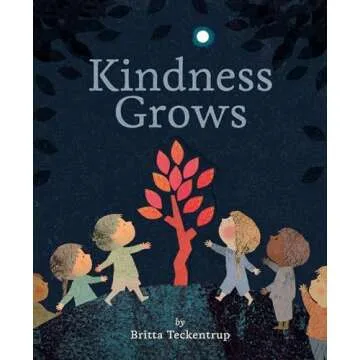
This curated list features books that not only entertain but also foster emotional intelligence and empathy among young readers. Books are an incredible medium for children to learn about themselves and express their feelings. As parents, educators, or caregivers, having the right resources is essential for helping children navigate their emotions. Here, we’ve compiled a selection of fantastic titles aimed at nurturing emotional growth and promoting peaceful interactions. Whether you're searching for a birthday gift, a Christmas surprise, or simply a thoughtful gesture, these titles can help guide your decision.
By focusing on emotional intelligence, empathy, and kindness, these books demonstrate the crucial role that literature plays in child development. This gift guide not only eases the selection process but also offers a dependable source of ideas that emphasize the importance of nurturing a child’s emotional landscape. Below, you'll find an array of meaningful choices that cater to various needs and reading levels—ideal for any young reader in your life.
Books for Infants and Toddlers
Books are a wonderful way to introduce infants and toddlers to the world of emotions. These early titles engage young readers through vibrant illustrations and simple texts, setting the foundation for emotional literacy.
- Making Faces: A First Book of Emotions (Baby Loves Books) - This delightful book encourages baby’s engagement and nurtures their emotional intelligence from a very young age. The colorful illustrations and interactive format can captivate even the youngest of hearts, making it a fantastic first book for any baby.
- Engaging Baby Faces Board Book for Infants - Using real baby faces, this board book draws infants into the world of expressions and helps them start recognizing different emotions. It’s a must-have in any infant’s library and an excellent way to foster connection with their own feelings.
Books for Toddlers
Once toddlers begin to articulate their feelings, it's vital to equip them with tools that help manage those emotions effectively. These books serve as a wonderful resource in helping young children understand, identify, and express their feelings in healthy ways.
- Big Feelings Book for Toddlers on Managing Emotions - This insightful book is designed to help toddlers navigate their overwhelming emotions. Through relatable scenarios, it provides guidance on appropriate ways to express feelings, ensuring they feel heard and understood.
- Teeth Are Not for Biting - As part of a best behavior series, this book helps toddlers learn about social norms and emotional expression, guiding them with stories and relatable illustrations. It's a great addition for nurturing gentle behaviors.
Books for Young Readers
As kids progress into early childhood, books that delve deeper into the wide array of feelings and emotions become essential. These selections not only enhance emotional literacy but also encourage empathy toward others, fostering a more inclusive mindset.
- In My Heart: A Book of Feelings for Kids - This beautifully illustrated book serves as an emotional learning tool, helping kids understand their hearts' various feelings. Its engaging narrative helps young minds express complex emotions, promoting self-awareness and empathy.
- The Way I Feel - A classic that continues to resonate with readers, this book provides a clear and comprehensive exploration of emotions through delightful illustrations. It encourages children to reflect on their feelings, fostering open discussions about emotional health.
- All About Feelings - This engaging title is perfect for facilitating conversations about feelings. It helps kids identify their emotions and understand the differences between them, making it an essential resource for parents and educators alike.
Why This List Stands Out
What makes this list of books exceptional is the meticulous curation process that went into selecting each title. Each book not only emphasizes the importance of emotional intelligence but is also crafted with age-appropriate narratives and illustrations that engage children effectively. These books are more than just gifts; they are tools for developing critical life skills such as empathy, kindness, and peaceful interaction. With each turn of the page, young readers embark on a journey toward understanding their inner selves and the world around them.
Moreover, the selections cater to various age groups and emotional challenges, ensuring that all young readers can find a relatable story. Parents, educators, and caretakers can feel confident that these books will make a meaningful impact. By choosing any of the listed titles, you'll not only be gifting a book but also encouraging emotional growth and connection, a gift that lasts far beyond the initial read.
Conclusion
In a world where emotional literacy is often overlooked, choosing books that foster feelings of empathy, kindness, and peace is a profound way to encourage young minds. We trust that this curated list has provided you with clear and thoughtful recommendations that will help you select the perfect gift for any child in your life. By investing in these resources, you're empowering children to express themselves and understand others, which is invaluable.
With this guidance, you're now equipped to make a confident buying decision that resonates with the child's needs and the occasion's spirit. Remember, the right book can have a lasting impact, nurturing emotional intelligence and promoting peaceful interactions that shape how children view themselves and the world around them.



 Continue with Google